<?xml version="1.0" encoding="UTF-8"?>
<rss version="2.0"
	xmlns:content="http://purl.org/rss/1.0/modules/content/"
	xmlns:wfw="http://wellformedweb.org/CommentAPI/"
	xmlns:dc="http://purl.org/dc/elements/1.1/"
	xmlns:atom="http://www.w3.org/2005/Atom"
	xmlns:sy="http://purl.org/rss/1.0/modules/syndication/"
	xmlns:slash="http://purl.org/rss/1.0/modules/slash/"
	>

<channel>
	<title>Upper Amazon Conservancy</title>
	<atom:link href="http://www.upperamazon.org/?feed=rss2" rel="self" type="application/rss+xml" />
	<link>http://www.upperamazon.org</link>
	<description>Protecting one of the Wildest Places On Earth</description>
	<lastBuildDate>Tue, 13 Mar 2012 14:08:16 +0000</lastBuildDate>
	<language>en</language>
	<sy:updatePeriod>hourly</sy:updatePeriod>
	<sy:updateFrequency>1</sy:updateFrequency>
	<generator>http://wordpress.org/?v=3.3.1</generator>
		<item>
		<title>New Photos of Isolated Tribe Raises Concerns About Their Future</title>
		<link>http://www.upperamazon.org/?p=957</link>
		<comments>http://www.upperamazon.org/?p=957#comments</comments>
		<pubDate>Sat, 04 Feb 2012 16:59:58 +0000</pubDate>
		<dc:creator>Chris</dc:creator>
				<category><![CDATA[Uncategorized]]></category>

		<guid isPermaLink="false">http://www.upperamazon.org/?p=957</guid>
		<description><![CDATA[February 2, 2012: New photos of &#8220;uncontacted&#8221; people in southeastern Peru raise serious concerns about Peru&#8217;s ability to ensure the safety of some of the world&#8217;s last indigenous tribes living in voluntary isolation. The striking photos, released by Survival International, show several members of the Mashco Piro tribe sitting on a river bank outside Manu &#8230; </p><p><a class="more-link block-button" href="http://www.upperamazon.org/?p=957">Continue reading &#187;</a>]]></description>
			<content:encoded><![CDATA[<div class="mceTemp" style="text-align: left;">February 2, 2012:</div>
<div class="mceTemp" style="text-align: left;"></div>
<div class="mceTemp" style="text-align: left;">New photos of &#8220;uncontacted&#8221; people in southeastern Peru raise serious concerns about Peru&#8217;s ability to ensure the safety of some of the world&#8217;s last indigenous tribes living in voluntary isolation. The striking photos, released by Survival International, show several members of the Mashco Piro tribe sitting on a river bank outside Manu National Park.</div>
<div class="mceTemp" style="text-align: left;"></div>
<div class="mceTemp" style="text-align: left;"><a href="http://www.uncontactedtribes.org/news/8055">See the photos and report released by Survival International.</a></div>
<div class="mceTemp" style="text-align: left;"></div>
<div id="attachment_960" class="wp-caption alignleft" style="width: 310px"><a href="http://www.upperamazon.org/wp-content/uploads/2012/02/mashco-piro-1_screen4.jpg"><img class="alignleft size-medium wp-image-1013" title="mashco-piro-1_screen" src="http://www.upperamazon.org/wp-content/uploads/2012/02/mashco-piro-1_screen4-300x238.jpg" alt="" width="300" height="238" /></a><p class="wp-caption-text">Members of the Mashco Piro isolated tribe.                           D. Cortijo / Survival International.  </p></div>
<p>The Mashco Piro inhabit the extremely remote forests of Manu and Alto Purús National Park, which together comprise one of the least disturbed regions in the entire Amazon Basin if not the world. Using small streams to criss-cross the dense forest on their seasonal migrations, the Mashco Piro have chosen to live in isolation, avoiding human settlements and larger waterways. Their recent appearance on the riverbank, and violence towards local villagers, is highly unusual and has experts searching for explanations.</p>
<p>What we do know is that the amount of undisturbed forest in southeastern Peru where the Mashco Piro live is rapidly shrinking. Illegal logging&#8211;particularly for mahogany, gold mining, oil and gas exploration, road construction and illegal missionary work are bringing outsiders into their territories and displacing the tribes from their homelands. The invasions have forced the tribes into adjacent lands causing conflicts with settled villagers and other isolated tribes. For years the Mashco Piro have avoided any conflict, but since 2000 there has been an increase in violence toward outsiders, as if the Mashco Piro have been forced to draw a line in the sand and defend what is left of their territory.</p>
<p>Local people living on the border of the Alto Purús Park blame the change in the Mashco Piro&#8217;s behavior on the arrival of mahogany loggers, believing that there has been a marked change in behavior in recent years, from one of avoidance to one of aggression. As one villager told UAC staff in 2005:</p>
<p><em>“When we worked on the Alto Purús River in the 1970’s and 80’s collecting animal skins, occasionally we would see the Mashco and they would always avoid us and run away. There were never any problems. Now it is different. They shoot arrows at us and try to kill us.”</em></p>
<p><strong><a href="http://www.upperamazon.org/wp-content/uploads/2012/02/21.jpg"><img class="alignnone size-medium wp-image-968" title="OLYMPUS DIGITAL CAMERA" src="http://www.upperamazon.org/wp-content/uploads/2012/02/21-300x225.jpg" alt="" width="300" height="225" /></a>     </strong><a href="http://www.upperamazon.org/wp-content/uploads/2012/02/4.jpg"><img class="size-medium wp-image-963" title="OLYMPUS DIGITAL CAMERA" src="http://www.upperamazon.org/wp-content/uploads/2012/02/4-300x225.jpg" alt="" width="300" height="225" /></a></p>
<p><em>Shelters made by isolated people inside Alto Purús National Park. C Fagan, UAC</em></p>
<p>Incredibly, instead bolstering protection of these forests, members of the Peru government are arguing in favor of  constructing a highway through the Alto Purús National Park and Madre de Dios Reserve for Isolated People&#8211;two strictly protected areas created specifically to protect the Mashco Piro. The road, which would connect the Alto Purús with the recently paved Interoceanic Highway, is being promoted by congressman Carlos Tubino, despite the  disastrous impacts it would have on the Park&#8217;s isolated inhabitants. <a href="http://www.upperamazon.org/?p=895">See UAC&#8217;s January report on the highway</a>.</p>
<p>Meanwhile, to the north along the Brazil border, another protected area for isolated people, the Murunahua Territorial Reserve, <a title="Upper Amazon Conservancy Investigation Exposes Illegal Logging in Murunahua Reserve" href="http://www.upperamazon.org/?p=471">has been overrun by loggers utilizing tractors and a vast network of illegal roads</a>. The Reserve is home to the Murunahua tribe, a smaller group that has chosen isolation after 50% of their people were killed by disease after forced contact with loggers in the 1990&#8242;s.</p>
<p><em><strong>To read more about the impacts of loggers on the isolated tribes in the region, see our <a href="http://www.upperamazon.org/PDF/2005_Purus_Report_eng.pdf">2005 </a>and <a href="http://www.upperamazon.org/PDF/2007_Purus_Report.pdf">2007 </a>reports on illegal logging and 2005 <a href="http://www.upperamazon.org/?page_id=38">video</a> on a peaceful encounter with the Mashco Piro. </strong></em></p>
<p>&nbsp;</p>
]]></content:encoded>
			<wfw:commentRss>http://www.upperamazon.org/?feed=rss2&#038;p=957</wfw:commentRss>
		<slash:comments>0</slash:comments>
		</item>
		<item>
		<title>Traditional Indigenous Way of Life Threatened by Proposed Road in Purús</title>
		<link>http://www.upperamazon.org/?p=895</link>
		<comments>http://www.upperamazon.org/?p=895#comments</comments>
		<pubDate>Sat, 07 Jan 2012 18:29:28 +0000</pubDate>
		<dc:creator>Dave</dc:creator>
				<category><![CDATA[Uncategorized]]></category>

		<guid isPermaLink="false">http://www.upperamazon.org/?p=895</guid>
		<description><![CDATA[FOR IMMEDIATE RELEASE &#8211; January 7, 2012 PUERTO ESPERANZA, Perú — Local indigenous communities and their federation, FECONAPU, are fighting construction of a proposed road through the Purús region that would threaten their traditional way of life. The proposed road would connect the Purús, the very headwaters of the Amazon and one of the world&#8217;s &#8230; </p><p><a class="more-link block-button" href="http://www.upperamazon.org/?p=895">Continue reading &#187;</a>]]></description>
			<content:encoded><![CDATA[<p>FOR IMMEDIATE RELEASE &#8211; January 7, 2012</p>
<p>PUERTO ESPERANZA, Perú — Local indigenous communities and their federation, FECONAPU, are fighting construction of a proposed road through the Purús region that would threaten their traditional way of life.</p>
<p>The proposed road would connect the Purús, the very headwaters of the Amazon and one of the world&#8217;s most remote, most intact</p>
<div id="attachment_914" class="wp-caption alignright" style="width: 310px"><a href="http://www.upperamazon.org/wp-content/uploads/2012/01/Peru-0461.jpg"><img class="size-medium wp-image-914" title="Peru-0461" src="http://www.upperamazon.org/wp-content/uploads/2012/01/Peru-0461-300x191.jpg" alt="" width="300" height="191" /></a><p class="wp-caption-text">The proposed road would connect remote villages in the Purús, many of which depend on a healthy, sustainable forest for their livelihoods, with increasing pressures of illegal logging, drug trafficking and mining in distant regions.</p></div>
<p>and most culturally important natural areas, with the newly paved Interoceanic Highway in Madre de Dios. Roads in the Peruvian Amazon are well documented highways not just for people, but for exponential increases in ilicit resource extraction, from illegal mining, poaching and logging to drug trafficking. Even the best laid plans have gone astray in recent years, as the agencies charged with protecting natural resources in Peru are chronically underfunded and understaffed. These issues are well documented by <a href="http://news.bbc.co.uk/2/hi/8411408.stm">local and national media</a> and <a href="http://www.mongabay.com/brazil.html">academic research</a>.</p>
<p>&#8220;There are only a handful of places left in the world as biologically and culturally important as Peru’s Alto Purús,&#8221; says Upper Amazon Conservancy Director Chris Fagan. &#8220;To cut it with a road would compromise the integrity of the entire Basin and trigger the swift demise of some of the last isolated hunting and gathering tribes on earth.&#8221;</p>
<p>The Alto Purús region is a treasure trove of world biodiversity and home to the world&#8217;s last remaining voluntarily isolated indigenous tribes &#8211; people who have had little or no contact with the outside world.</p>
<p><strong>CONTROVERSY RE-EMERGES</strong></p>
<p>The road controversy first emerged as an obscure proposal with little public support by a recently-arrived Italian priest, Miguel Piovesan, shortly after the creation of the Alto Purús National Park and the Purús Communal Reserve in 2004 (see map, below.) Piovesan claimed the newly-minted parks and indigenous reserves, despite their wide support in local communities, had effectively shut off overland access to the Purús, limiting local development opportunities.</p>
<p>After intense political maneuvering, Piovesan succeeded in bringing his case to the legislature, which promptly shelved the project, citing a lack of public support in the region. Instead, local and national leaders drafted and approved a comprehensive &#8216;<em>Action Plan for the Development of Purús</em>&#8216; in 2008, calling for improved air service, intercultural, economic and social exchanges with neighboring Brazil, and thoughtful consideration of long-term alternative routes for a road.</p>
<div id="attachment_916" class="wp-caption alignleft" style="width: 310px"><a href="http://www.upperamazon.org/wp-content/uploads/2012/01/P10112982.jpg"><img class="size-medium wp-image-916" title="OLYMPUS DIGITAL CAMERA" src="http://www.upperamazon.org/wp-content/uploads/2012/01/P10112982-300x225.jpg" alt="" width="300" height="225" /></a><p class="wp-caption-text">Voluntarily-isolated indigenous tribes - among the last remaining on Earth - would come under unprecedented threats were the proposed road to become reality.</p></div>
<p>Local indigenous group FECONAPU, together with other regional indigenous groups and local and national non-governmental groups, including ProPurús, the Upper Amazon Conservancy and others, are fighting the proposal and Piovesan&#8217;s campaign of misinformation. Despite a lack of public support for the proposed road, Piovezan has reemerged, and continues to push his road plan with the Peruvian media.</p>
<p><strong>LOCAL RESISTANCE</strong></p>
<p>The Purús region&#8217;s population is small &#8211; just 3,500 according to the last census conducted by Peru&#8217;s Census Bureau in 2007. Nearly 80% of its inhabitants are members of indigenous groups, the majority of which have organized against the proposal. The road&#8217;s supporters, meanwhile, are largely minority mestizo settlers in the provincial capital of Puerto Esperanza, relative newcomers to the region and many former loggers who would benefit improved access and increased opportunities for resource extraction, albeit at the expense of traditonal indigenous ways of life.</p>
<p>The voluntarily isolated tribes of the region have no voice in the debate but would undoubtably be severely impacted by the road, which would pass directly through the Park and the Madre de Dios Territorial Reserve which is intended to protect their lands.</p>
<p>&#8220;We applaud the local indigenous communities and their federation, FECONAPU, for fighting to protect their sustainable, forest-based way of life by unequivocally opposing a road through traditional lands,&#8221; says Fagan.</p>
<p><strong>See a <a href="http://www.theecologist.org/News/news_analysis/1202915/amazon_uncontacted_tribes_at_risk_from_new_highway-plan.html">Jan 19th article by the Ecologist</a> on the road</strong></p>
<p>&#8212;&#8212;-</p>
<h5><strong><em>To read more about the Upper Amazon Conservancy and its work in Peru, see our <a href="http://www.upperamazon.org/wp-content/uploads/2011/07/UAC-Factsheet.pdf" target="_blank">FACT SHEET (PDF 412K)</a> or visit our website at <a href="http://www.upperamazon.org/upperamazon.org" target="_blank">www.upperamazon.org.</a>  </em></strong><strong><em>For more information, contact Chris Fagan at cfagan@upperamazon.org or Francisco Estremadoyro at francisco@propurus.org.</em></strong></h5>
<p>&nbsp;</p>
<p><a href="http://www.upperamazon.org/wp-content/uploads/2012/01/AltoPurusRegion.jpg"><img class="aligncenter size-full wp-image-920" title="AltoPurusRegion" src="http://www.upperamazon.org/wp-content/uploads/2012/01/AltoPurusRegion.jpg" alt="" width="752" height="525" /></a></p>
<h5></h5>
]]></content:encoded>
			<wfw:commentRss>http://www.upperamazon.org/?feed=rss2&#038;p=895</wfw:commentRss>
		<slash:comments>0</slash:comments>
		</item>
		<item>
		<title>Peruvian Government Releases Dramatic Video of Isolated Tribes</title>
		<link>http://www.upperamazon.org/?p=810</link>
		<comments>http://www.upperamazon.org/?p=810#comments</comments>
		<pubDate>Mon, 14 Nov 2011 15:15:46 +0000</pubDate>
		<dc:creator>Dave</dc:creator>
				<category><![CDATA[Uncategorized]]></category>

		<guid isPermaLink="false">http://www.upperamazon.org/?p=810</guid>
		<description><![CDATA[November, 2011: This recent video is a poignant reminder that the so-called &#8220;Uncontacted Indians&#8221; of the Peruvian Amazon are voluntarily-isolated: they are little understood, inadequately represented, and often, the least appreciated of the Amazon&#8217;s remarkable cultural and natural heritage. Videos like this one, taken in the Manú region, which neighbors the Alto Purús, highlight the importance of protecting the &#8230; </p><p><a class="more-link block-button" href="http://www.upperamazon.org/?p=810">Continue reading &#187;</a>]]></description>
			<content:encoded><![CDATA[<p>November, 2011: This recent video is a poignant reminder that the so-called &#8220;Uncontacted Indians&#8221; of the Peruvian Amazon are voluntarily-isolated: they are little understood, inadequately represented, and often, the least appreciated of the Amazon&#8217;s remarkable cultural and natural heritage. Videos like this one, taken in the Manú region, which neighbors the Alto Purús, highlight the importance of protecting the wild places where such tribes still roam.</p>
<p><iframe src="http://www.youtube.com/embed/VYaqGiCgoWc?version=3&amp;autohide=1&amp;wmode=transparent" width="500" height="305" title="YouTube video player" style="background-color:#000;display:block;margin-bottom:0;max-width:100%;" frameborder="0" allowfullscreen></iframe><p style="font-size:11px;margin-top:0;"><a href="http://www.youtube.com/watch?v=VYaqGiCgoWc" target="_blank" title="Watch on YouTube">Watch this video on YouTube</a>.</p><br />
Following the release of the video, the Peruvian government, under the newly-elected Ollanta Humala, closed this region off to tourists and the general public, in an effort to protect the voluntarily isolated Mascho-Piro people from disease or violence. Roger Rumrill, an advisor to the Peruvian Environment Ministry, said:  “The policy of this government is one of permanent  inclusion of indigenous peoples, of commitment to their social demands, including territorial demands, education, and health care. It’s diametrically opposed to the previous government.”</p>
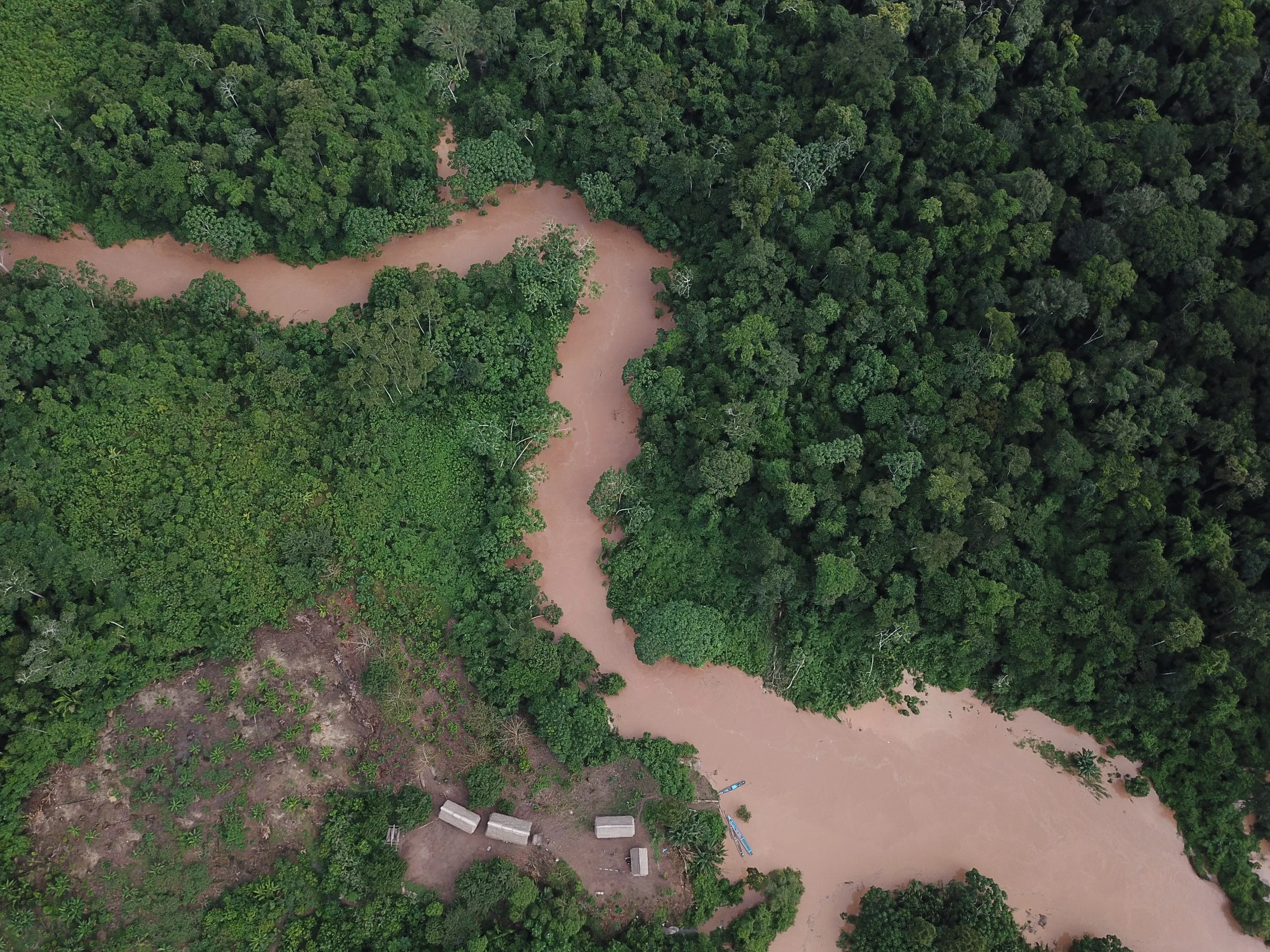
<div class="wp-caption alignleft" style="width: 310px"><a href="http://www.upperamazon.org/wp-content/uploads/2011/11/P1011298.jpg"><img class="size-medium wp-image-829 " title="Thatched Huts" src="http://www.upperamazon.org/wp-content/uploads/2011/11/P1011298-300x225.jpg" alt="" width="300" height="225" /></a><p class="wp-caption-text">The thatched huts of isolated tribes seen along the banks of a river in the Alto Purús region. As in Manú, illegal logging, coca cultivation and road building are constantly encroaching on the forest they depend on for survival. (UAC / ProPurús)</p></div>
<p>The Upper Amazon Conservancy and its Peruvian partner<span style="color: #ff1b19;"> </span>ProPurús are committed to working together with local indigenous communities and the Peruvian government, to help ensure a sustainable future for these voluntarily isolated tribes and this last, wildest place on the planet.<br />
To read more about the video and recent events at National Geographic News, <a href="http://newswatch.nationalgeographic.com/2011/10/18/peru-releases-new-video-of-uncontacted-indians/" target="_blank">click here</a></p>
<p>&#8212;&#8212;&#8212;&#8212;-<br />
<strong><em>To read more about the Upper Amazon Conservancy and its work in Peru, see our <a href="http://www.upperamazon.org/wp-content/uploads/2011/07/UAC-Factsheet.pdf" target="_blank">FACT SHEET (PDF 412K)</a> or visit our website at <a href="http://www.upperamazon.org/upperamazon.org" target="_blank">www.upperamazon.org.</a></em></strong></p>
]]></content:encoded>
			<wfw:commentRss>http://www.upperamazon.org/?feed=rss2&#038;p=810</wfw:commentRss>
		<slash:comments>0</slash:comments>
		</item>
		<item>
		<title>UAC Workshops Train Official and Volunteer Park Guards To Patrol Reserves &amp; Protect Natural Resources</title>
		<link>http://www.upperamazon.org/?p=507</link>
		<comments>http://www.upperamazon.org/?p=507#comments</comments>
		<pubDate>Sun, 28 Aug 2011 23:50:35 +0000</pubDate>
		<dc:creator>Dave</dc:creator>
				<category><![CDATA[Uncategorized]]></category>

		<guid isPermaLink="false">http://www.upperamazon.org/?p=507</guid>
		<description><![CDATA[August 2011 Together with the Peruvian Park Service, SERNANP, the Upper Amazon Conservancy and its Peruvian partner, ProPurús, have been helping to train official guards of the Alto Purús National Park. We also are the primary supporter and trainer of &#8216;vigilance committees&#8217; made up of indigenous men and women from local communities surrounding the Park. &#8230; </p><p><a class="more-link block-button" href="http://www.upperamazon.org/?p=507">Continue reading &#187;</a>]]></description>
			<content:encoded><![CDATA[<div id="attachment_508" class="wp-caption alignleft" style="width: 310px"><a href="http://www.upperamazon.org/wp-content/uploads/2011/08/cap_puc51.jpg"><img class="size-medium wp-image-508" title="cap_puc5" src="http://www.upperamazon.org/wp-content/uploads/2011/08/cap_puc51-300x225.jpg" alt="" width="300" height="225" /></a><p class="wp-caption-text">A training session for SERNANP park guards conducted by Upper Amazon Conservancy Staff.</p></div>
<p><strong>August 2011</strong></p>
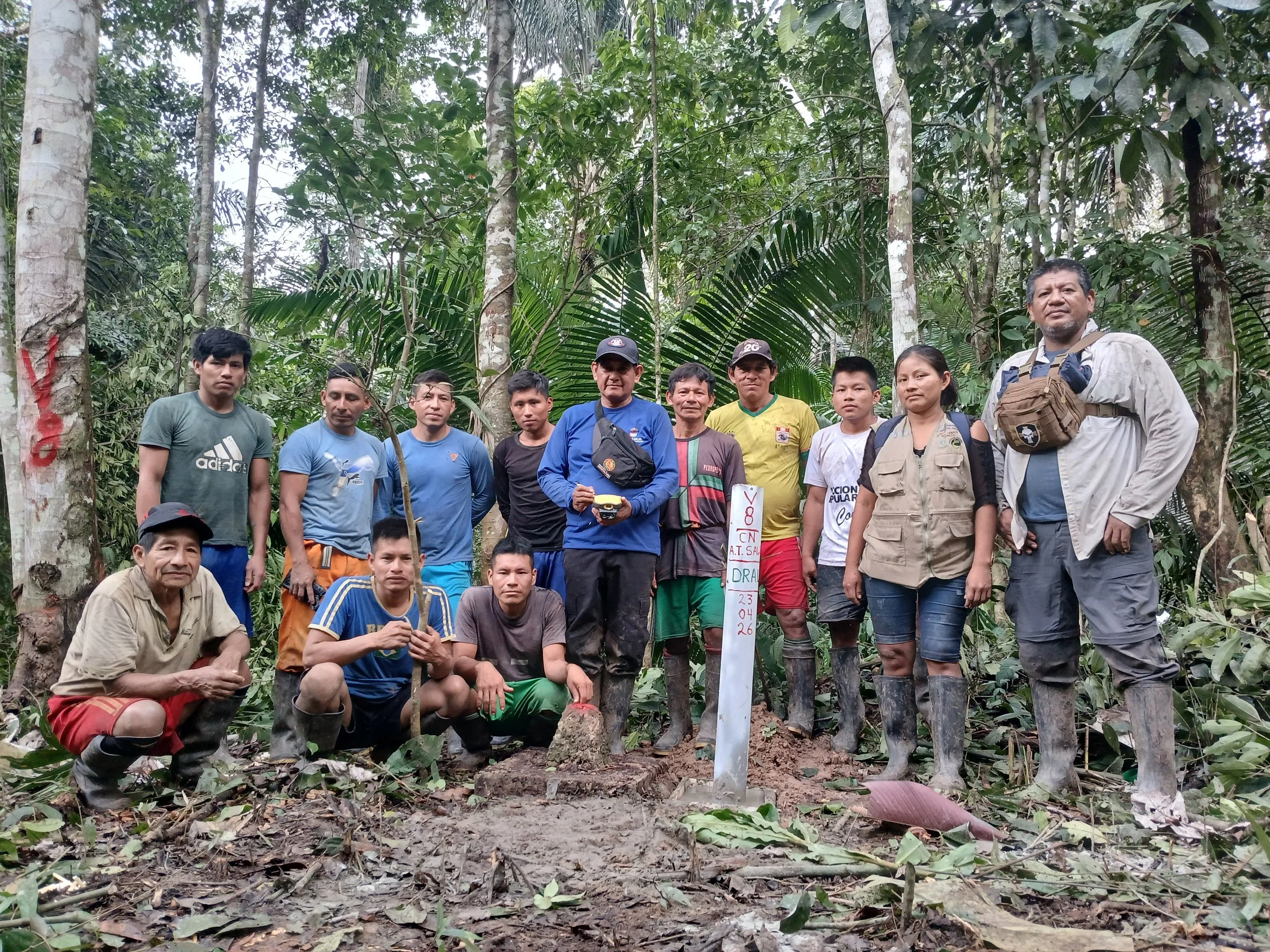
<p>Together with the Peruvian Park Service, SERNANP, the Upper Amazon Conservancy and its Peruvian partner, ProPurús, have been helping to train official guards of the Alto Purús National Park. We also are the primary supporter and trainer of &#8216;vigilance committees&#8217; made up of indigenous men and women from local communities surrounding the Park.</p>
<div id="attachment_519" class="wp-caption alignright" style="width: 310px"><a href="http://www.upperamazon.org/wp-content/uploads/2011/08/DSCF04211.jpg"><img class="size-medium wp-image-519" title="DSCF0421" src="http://www.upperamazon.org/wp-content/uploads/2011/08/DSCF04211-300x225.jpg" alt="" width="300" height="225" /></a><p class="wp-caption-text">Guards are trained in the use of equipment, from simple binoculars to GPS.</p></div>
<p>Thus far, the committees have been a resounding success.</p>
<p>Communities learn to patrol their most valuable assets: their natural resources, while at the same time compiling baseline data and information that allows for prosecution of illegal logging and other ilicit activity in these highly sensitive remote areas.</p>
<div id="attachment_611" class="wp-caption alignleft" style="width: 310px"><a href="http://www.upperamazon.org/wp-content/uploads/2011/08/certificados-capact_pucallpa_Page_24.jpg"><img class="size-medium wp-image-611" title="certificados capact_pucallpa_Page_2" src="http://www.upperamazon.org/wp-content/uploads/2011/08/certificados-capact_pucallpa_Page_24-300x212.jpg" alt="" width="300" height="212" /></a><p class="wp-caption-text">Every participant receives a certificate issued jointly by the Upper Amazon Conservancy / ProPurús and the Peruvian Park Service upon completion of training.</p></div>
<p>&nbsp;</p>
<p>The concept is simple: Together with indigenous leaders, we help train local community guards and give them the tools they need to do the job well. Over time, the community begins to take a vested interest in working with the official SERNANP guards to protect their own resources &#8211; and gains confidence in its ability to do so. With motors, GPS equipment and appropriate training, community members have already successfully helped locate and prosecute illegal logging outfits.</p>
<p>In turn, the Upper Amazon Conservancy and it&#8217;s Peruvian partner, ProPurús, use the information gathered in the field by our partners to advocate on their behalf, as well as that of the Park, in Lima, affecting larger policy issues in both Peru and the United States.</p>
<p>&nbsp;</p>
<p><strong><em>If you are interested in helping out, buying equipment or donating to the Upper Amazon Conservancy</em></strong><strong><em>, please <a href="http://www.upperamazon.org/?page_id=46">click here</a> .</em></strong></p>
<p>&#8212;&#8212;&#8212;&#8212;&#8212;&#8211;</p>
<p><strong><em>To read more about the Upper Amazon Conservancy and its work in Peru, see our <a href="http://www.upperamazon.org/wp-content/uploads/2011/07/UAC-Factsheet.pdf">FACT SHEET (PDF 412K)</a> or visit our website at <a href="upperamazon.org">www.upperamazon.org.</a></em></strong></p>
]]></content:encoded>
			<wfw:commentRss>http://www.upperamazon.org/?feed=rss2&#038;p=507</wfw:commentRss>
		<slash:comments>0</slash:comments>
		</item>
		<item>
		<title>Upper Amazon Conservancy Investigation Exposes Illegal Logging in Murunahua Reserve</title>
		<link>http://www.upperamazon.org/?p=471</link>
		<comments>http://www.upperamazon.org/?p=471#comments</comments>
		<pubDate>Sun, 28 Aug 2011 23:32:33 +0000</pubDate>
		<dc:creator>Dave</dc:creator>
				<category><![CDATA[Uncategorized]]></category>

		<guid isPermaLink="false">http://www.upperamazon.org/?p=471</guid>
		<description><![CDATA[August 2011 Illegal Mahogany Loggers Penetrate Heart of Uncontacted Tribal Reserve in Peru UCAYALI, Peru — An Upper Amazon Conservancy investigation has exposed an illegal logging camp and an expansive network of forest roads along the border of the Murunahua Reserve for Uncontacted Peoples. The road system is part of a greater clandestine network that &#8230; </p><p><a class="more-link block-button" href="http://www.upperamazon.org/?p=471">Continue reading &#187;</a>]]></description>
			<content:encoded><![CDATA[<div id="attachment_473" class="wp-caption alignright" style="width: 310px"><a href="http://www.upperamazon.org/wp-content/uploads/2011/08/Peru-11271.jpg"><img class="size-medium wp-image-473" title="Peru-1127" src="http://www.upperamazon.org/wp-content/uploads/2011/08/Peru-11271-300x200.jpg" alt="" width="300" height="200" /></a><p class="wp-caption-text">Purús mahogany awaiting processing.</p></div>
<p>August 2011</p>
<p>Illegal Mahogany Loggers Penetrate Heart of Uncontacted Tribal Reserve in Peru</p>
<p>UCAYALI, Peru — An Upper Amazon Conservancy investigation has exposed an illegal logging camp and an expansive network of forest roads along the border of the Murunahua Reserve for Uncontacted Peoples.</p>
<p>The road system is part of a greater clandestine network that has been building steadily for the past decade in the <a href="http://www.upperamazon.org/wp-content/uploads/2011/08/Yurua-communities.jpg">Yurua River region of the Amazon headwaters</a> in Peru – threatening the survival of some of the last remaining tribes of uncontacted people on Earth. Upper Amazon Conservancy staff, working together with indigenous leaders, partner NGOs and the Peruvian park service, have repeatedly, and explicitly, <a href="http://www.upperamazon.org/PDF/Murunahua_Report_July2010.pdf">documented widespread illegal logging in the reserve and the surrounding region</a>.</p>
<p>The Murunahua Territorial Reserve, near the Brazil border in southeast Peru, is home to roaming tribes of voluntarily-isolated peoples and borders the heart of one of the most remote regions of the Amazon basin, the Alto Purús National Park – the very headwaters of the Amazon River.</p>
<p>Most recently, illicit logging has spread to <a href="http://www.upperamazon.org/wp-content/uploads/2011/08/Map-Alto-Purús-region.pdf">the heart of this sprawling, 1.2 million acre protected area</a>, with a large, quickly expanding network of roads penetrating the interior. Loggers now access remote territory inside the reserve, where they cut highly valuable mahogany trees and sneak the slabs out the ‘back door’, to waterways less frequented by local tribesmen.</p>
<div id="attachment_615" class="wp-caption alignleft" style="width: 310px"><a href="http://www.upperamazon.org/wp-content/uploads/2011/08/Peru-10682.jpg"><img class="size-medium wp-image-615" title="Peru-1068" src="http://www.upperamazon.org/wp-content/uploads/2011/08/Peru-10682-300x200.jpg" alt="" width="300" height="200" /></a><p class="wp-caption-text">Logging camps like this one, photographed during an Upper Amazon Conservancy aerial survey, are appearing in ever-more remote tribal reserve regions of the Purús.</p></div>
<p>Earlier this year, Upper Amazon Conservancy staff surveyed the region from small aircraft and identified several illegal logging camps inside the reserve.  On the ground, an expedition led by a group of local Asheninka men &#8211; part of a newly trained “vigilance committee” organized by UAC and Peru’s park service, documented a large-scale illegal operation along the border of the reserve, including the discovery of <a href="http://www.upperamazon.org/wp-content/uploads/2011/08/log-2.jpg">massive slabs of fresh-cut mahogany</a> and a live tree marked with an enormous ‘X’.</p>
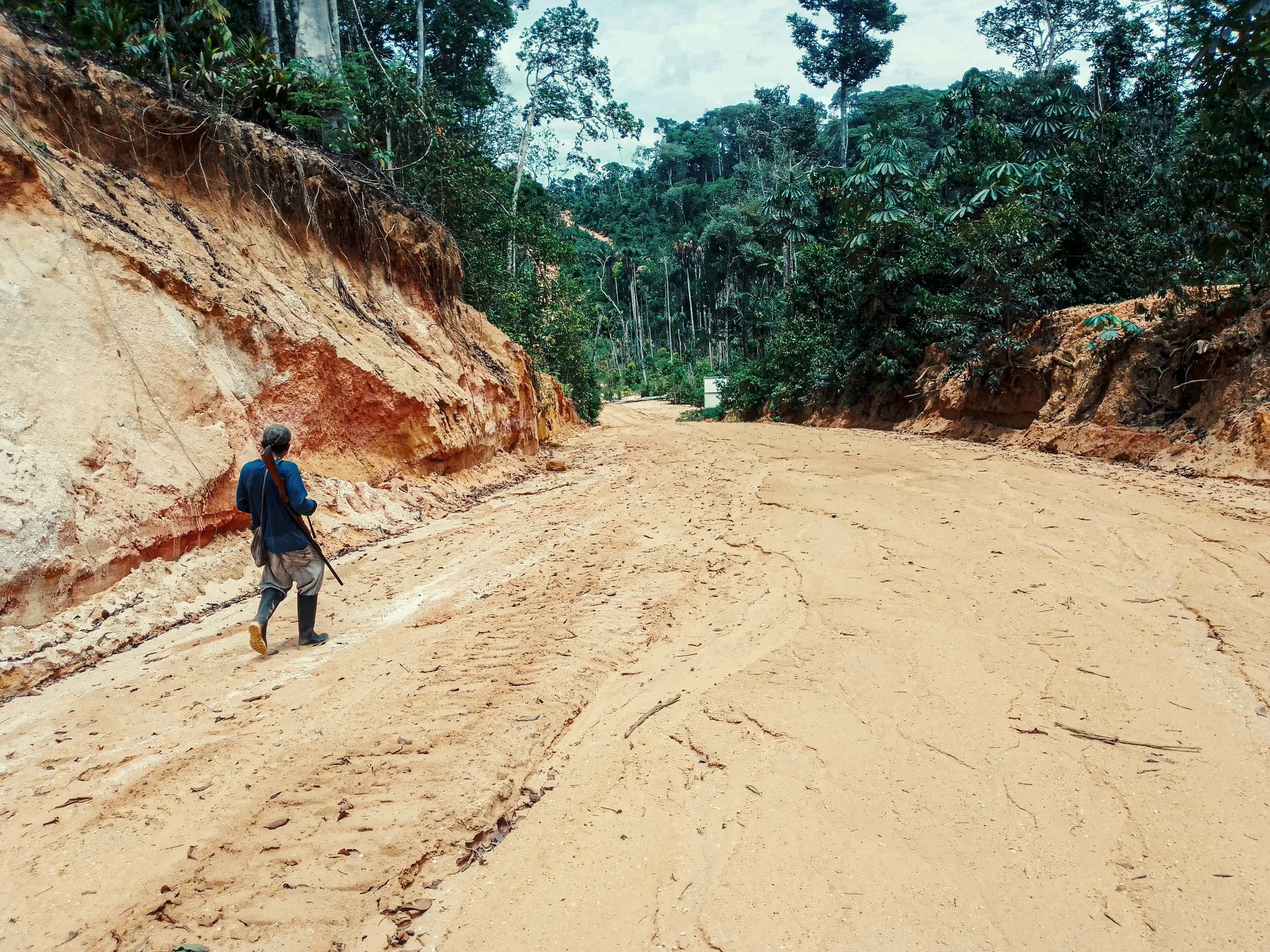
<p>The new road network serves as a funnel for further settlement by farmers, drug traffickers, hunters and miners, and allows loggers using tractors to drag the mahogany across a watershed divide to the Ucayali River, where the logs are floated downstream to Pucallpa and eventually trucked to Lima.</p>
<p>By the time the wood reaches Ucayali, a regional Amazonian hub, officials are unable to pinpoint its origin and assume it legal, giving it the government permits that allow it to be sold internationally.  While an individual mahogany tree may not make or break an ecosystem, their extraction and sale from these remote protected areas have placed unprecedented pressure on voluntarily isolated peoples in a reserve explicitly established to protect them. These tribes willingly avoid outside contact of any kind. If logging continues unabated, they will have no place to go and their unique culture will be eliminated.</p>
<p><span style="font-size: small;">Such activity explicitly violates both the <a href="http://www.cites.org/eng/prog/mwg.shtml">Convention on the International Trade of Endangered Species (CITES)</a> and <a href="http://www.ustr.gov/trade-agreements/free-trade-agreements/peru-tpa">the recently-signed Peru-United States Trade Promotion Agreement</a>.</span></p>
<div id="attachment_480" class="wp-caption alignright" style="width: 235px"><a href="http://www.upperamazon.org/wp-content/uploads/2011/08/tree2.jpg"><img class="size-medium wp-image-480" title="OLYMPUS DIGITAL CAMERA" src="http://www.upperamazon.org/wp-content/uploads/2011/08/tree2-225x300.jpg" alt="" width="225" height="300" /></a><p class="wp-caption-text">An expedition organized by Upper Amazon Conservancy field staff and the Peruvian Park Service found this tree, marked with an &#39;X&#39; near a recently abandoned logging camp on the border of the Murunahua Reserve. </p></div>
<p>Despite overwhelming evidence to the contrary, officials at some Peruvian government agencies <a href="http://newswatch.nationalgeographic.com/2011/06/06/fisticuffs-erupts-in-peru-over-uncontacted-tribes/">have publicly and privately confided that they believe the voluntarily-isolated peoples have been driven out of the reserve</a> – and have hinted at abolishing it. Thanks in part to the increasing international pressure brought to bear by UAC’s investigations and revelations, government officials have agreed to work together with the UAC to jointly document the presence of these tribes  – a positive step forward.</p>
<p><a href="http://www.survivalinternational.org/news/7360">In a press release earlier this month</a>, the Peruvian government unequivocally stated its support for both the uncontacted tribes and the Murunahua reserve itself. The Upper Amazon Conservancy salutes INDEPA for its willingness to cooperate in saving this special place and culture, and will continue to work to ensure that the government keeps that promise.</p>
<p>&#8212;&#8212;&#8212;<br />
The Upper Amazon Conservancy’s investigations are part of a larger effort here to protect the greater Alto Purus ecosystem; one of the wildest places left on the planet – home to still undocumented species of plants and wildlife, voluntarily-isolated peoples and a carbon sink of international significance.</p>
<p><strong><em>For more information, contact Chris Fagan at cfagan@upperamazon.org or Francisco Estremadoyro at francisco@propurus.org, or see our website at <a href="upperamazon.org">www.upperamazon.org</a>.</em></strong></p>
]]></content:encoded>
			<wfw:commentRss>http://www.upperamazon.org/?feed=rss2&#038;p=471</wfw:commentRss>
		<slash:comments>0</slash:comments>
		</item>
		<item>
		<title>Upper Amazon Conservancy Leading Research on Peru&#8217;s Coca Frontier</title>
		<link>http://www.upperamazon.org/?p=408</link>
		<comments>http://www.upperamazon.org/?p=408#comments</comments>
		<pubDate>Sun, 28 Aug 2011 00:11:57 +0000</pubDate>
		<dc:creator>Dave</dc:creator>
				<category><![CDATA[Uncategorized]]></category>

		<guid isPermaLink="false">http://www.upperamazon.org/?p=408</guid>
		<description><![CDATA[July 2011 Upper Amazon Conservancy director Chris Fagan and Professor David Salisbury of the University of Richmond, a member of UAC&#8217;s advisory board, recently co-authored a study, published this month in GeoJournal, on the advancing coca frontier in Peru&#8217;s Amazon region and its mounting socio-economic and conservation impacts. Peru is now believed to be the &#8230; </p><p><a class="more-link block-button" href="http://www.upperamazon.org/?p=408">Continue reading &#187;</a>]]></description>
			<content:encoded><![CDATA[<p><strong>July 2011</strong></p>
<div id="attachment_409" class="wp-caption alignright" style="width: 310px"><img class="size-medium wp-image-409 " title="Peru-0788" src="http://www.upperamazon.org/wp-content/uploads/2011/08/Peru-07881-300x200.jpg" alt="" width="300" height="200" /><p class="wp-caption-text">The large-scale cultivation of coca - seen above - is becoming increasingly common in remote areas of the Purús region.</p></div>
<p>Upper Amazon Conservancy director <a href="http://www.upperamazon.org/?page_id=12">Chris Fagan</a> and Professor David Salisbury of the University of Richmond, a member of UAC&#8217;s advisory board, recently co-authored a study, published this month in <a href="http://www.springerlink.com/content/07312620m405lj07/">GeoJournal</a>, on the advancing coca frontier in Peru&#8217;s Amazon region and its mounting socio-economic and conservation impacts.</p>
<p>Peru is now believed to be the <a href="http://www.telegraph.co.uk/news/worldnews/southamerica/peru/7848284/Peru-overtakes-Colombia-as-worlds-leading-producer-of-coca-leaf.html">world&#8217;s largest exporter of coca</a>, the plant used in the production of cocaine. Large-scale coca cultivation is penetrating once remote and isolated areas of the Purús, followed by traffickers who access the backcountry by the same river trails and forest roads used by illegal loggers. The roads and access pave the way for further environmental destruction, settlement and illegal activity, and threaten the sanctity of tribal reserves inhabited by some of the last voluntarily-isolated indigenous tribes on the planet.</p>
<p>While coca has for centuries been used by local indigenous peoples for medicinal and theraputic purposes, international pressure from drug traffickers, <a href="http://www.upperamazon.org/?p=244">who have recently entered the area</a>, is mounting and plantations are becoming larger and more widespread, particularly along the region&#8217;s waterways. The study incorporated GIS work, aerial monitoring and field research, leading Fagan and Salisbury to the conclusion that despite the region&#8217;s relative remoteness, coca production is already having serious socio-economic and conservation impacts.</p>
<div id="attachment_426" class="wp-caption alignright" style="width: 310px"><img class="size-medium wp-image-426  " title="Peru-0418" src="http://www.upperamazon.org/wp-content/uploads/2011/08/Peru-0418-300x195.jpg" alt="" width="300" height="195" /><p class="wp-caption-text">Small agricultural clearings like this one, deep in the Alto Purús National Park, have become increasingly common - and many have grown substantially in recent years.</p></div>
<p>To read the author&#8217;s version of the recently published study, <a href="http://www.upperamazon.org/wp-content/uploads/2011/08/SalisburyFagan2011CocaConservation.pdf">click here</a>.</p>
<p>To read the final published version in the GeoJournal, <a href="http://www.springerlink.com/content/07312620m405lj07/">click here</a>.</p>
<p><strong><em>For more information, contact  researcher and Upper Amazon Conservancy Director Chris Fagan at <a title="[GMCP] Compose a new mail to cfagan@upperamazon.org" href="mailto:cfagan@upperamazon.org" rel="noreferrer">cfagan@upperamazon.org</a>.</em></strong></p>
<p>&#8212;&#8212;&#8212;-</p>
<p><strong><em>To read more about the Upper Amazon Conservancy and its work in Peru, see our <a href="http://www.upperamazon.org/wp-content/uploads/2011/07/UAC-Factsheet.pdf">FACT SHEET (PDF 412K)</a> or visit our website at <a href="upperamazon.org">www.upperamazon.org.</a></em></strong></p>
<p>&nbsp;</p>
]]></content:encoded>
			<wfw:commentRss>http://www.upperamazon.org/?feed=rss2&#038;p=408</wfw:commentRss>
		<slash:comments>0</slash:comments>
		</item>
		<item>
		<title>ProPurús is Born</title>
		<link>http://www.upperamazon.org/?p=417</link>
		<comments>http://www.upperamazon.org/?p=417#comments</comments>
		<pubDate>Sat, 20 Aug 2011 01:26:36 +0000</pubDate>
		<dc:creator>Dave</dc:creator>
				<category><![CDATA[Uncategorized]]></category>

		<guid isPermaLink="false">http://www.upperamazon.org/?p=417</guid>
		<description><![CDATA[January 2011 The Upper Amazon Conservancy is excited to announce the creation of ProPurús, its Peruvian partner organization and registered non-profit group that will support our efforts on the ground in Lima and the Upper Amazon region surrounding the Alto Purús National Park. ProPurús will be based in Lima, with field offices in Puerto Esperanza &#8230; </p><p><a class="more-link block-button" href="http://www.upperamazon.org/?p=417">Continue reading &#187;</a>]]></description>
			<content:encoded><![CDATA[<p><strong>January 2011</strong></p>
<p>The Upper Amazon Conservancy is excited to announce the creation of ProPurús, its Peruvian partner organization and registered non-profit group that will support our efforts on the ground in Lima and the Upper Amazon region surrounding the Alto Purús National Park.</p>
<p>ProPurús will be based in Lima, with field offices in <a href="http://www.upperamazon.org/wp-content/uploads/2011/08/Map-Alto-Purús-region.pdf">Puerto Esperanza and Puerto Breu on the Alto Purús and Yurúa rivers, respectively.</a></p>
<div id="attachment_418" class="wp-caption alignright" style="width: 310px"><a href="http://www.upperamazon.org/wp-content/uploads/2011/08/propurus-office1.jpg"><img class="size-medium wp-image-418" title="OLYMPUS DIGITAL CAMERA" src="http://www.upperamazon.org/wp-content/uploads/2011/08/propurus-office1-300x225.jpg" alt="" width="300" height="225" /></a><p class="wp-caption-text">ProPurús recently opened a new office in Puerto Esperanza, which will serve as &#39;home base&#39; for our hard-working field staff in the Alto Purús region.</p></div>
<p>The group will be led by experienced <a href="http://www.upperamazon.org/?page_id=12">Peruvian conservationist Francisco Estremadoyro</a>, a native of Lima who has for decades has deftly navigated both the concrete jungle of Peru&#8217;s sprawling capital city and the real thing in the Amazon basin. Estremadoyro, based in Lima, will work closely with <a href="http://www.upperamazon.org/?page_id=12">José Borgo</a>, who has spent his life in the Amazon working closely with indigenous tribes in remote, isolated areas like the Alto Purús. Borgo was born in Pucallpa, along the Ucayali River, and served as chief of the Agrarian Agency, a branch of the Ministry of Agriculture. Borgo will work from the ProPurús Puerto Esperanza branch.</p>
<p>Estremadoyro and Borgo will lead our field staff and work directly with officials in Lima and the various tribal groups and leaders in the Purús region on projects intended to strengthen the region&#8217;s protected areas and build indigenous conservation capacity in the Alto Purús, Yurua and adjacent headwater regions.</p>
<p>ProPurús will work closely with both The Upper Amazon Conservancy staff and partner groups in Lima, including SERNANP, the Peruvian Park Service, to promote collaboration and goodwill.</p>
<p>Coordination with local people on all levels is, and has always been, an integral part of the work of the Upper Amazon Conservancy &#8211; and will become the focus of its sister organization, ProPurús.</p>
<p>As our organization expands and the issues become more complicated, we&#8217;re proud to work together with ProPurús, confident in our staff and certain our successes will grow.</p>
<div id="attachment_419" class="wp-caption alignright" style="width: 310px"><a href="http://www.upperamazon.org/wp-content/uploads/2011/08/Peru-05071.jpg"><img class="size-medium wp-image-419" title="Peru-0507" src="http://www.upperamazon.org/wp-content/uploads/2011/08/Peru-05071-300x200.jpg" alt="" width="300" height="200" /></a><p class="wp-caption-text">Pro-Purus director Francisco Estramadoyro with Asheninka children in the village of Dulce Gloria, near the Murunahua Reserve for Voluntarily Isolated Peoples. </p></div>
<div id="attachment_420" class="wp-caption alignright" style="width: 310px"><a href="http://www.upperamazon.org/wp-content/uploads/2011/08/Peru-07631.jpg"><img class="size-medium wp-image-420" title="Peru-0763" src="http://www.upperamazon.org/wp-content/uploads/2011/08/Peru-07631-300x200.jpg" alt="" width="300" height="200" /></a><p class="wp-caption-text">José Borgo (right), of the Pro-Purús field staff with an indigenous Brazilian man on a recent expedition on the Yurúa River.</p></div>
<p>Check back frequently for updates from both our Upper Amazon and ProPurús staff on important issues facing the Amazon region.</p>
<p><strong>For more information about ProPurús,</strong><br />
<strong> contact Francisco Estramadoyro francisco@propurus.org.</strong></p>
<p>&#8212;&#8212;&#8212;&#8212;&#8212;&#8211;</p>
<p><strong><em>To read more about the Upper Amazon Conservancy and its work in Peru, see our <a href="http://www.upperamazon.org/wp-content/uploads/2011/07/UAC-Factsheet.pdf">FACT SHEET (PDF 412K)</a> or visit our website at <a href="upperamazon.org">www.upperamazon.org.</a></em></strong></p>
<p>&nbsp;</p>
]]></content:encoded>
			<wfw:commentRss>http://www.upperamazon.org/?feed=rss2&#038;p=417</wfw:commentRss>
		<slash:comments>0</slash:comments>
		</item>
		<item>
		<title>Help Wanted: Join Forces with our Indigenous Partners in the Upper Amazon</title>
		<link>http://www.upperamazon.org/?p=189</link>
		<comments>http://www.upperamazon.org/?p=189#comments</comments>
		<pubDate>Wed, 17 Aug 2011 10:54:30 +0000</pubDate>
		<dc:creator>Dave</dc:creator>
				<category><![CDATA[Uncategorized]]></category>

		<guid isPermaLink="false">http://www.upperamazon.org/?p=189</guid>
		<description><![CDATA[August 2011 The Upper Amazon Conservancy and its Peruvian partner, ProPurús, need help. We are a small organization but growing quickly, with an office in Lima and two field offices in the greater Alto Purús region.  We pride ourselves in spending as much time as possible in the field, where we work with local people &#8230; </p><p><a class="more-link block-button" href="http://www.upperamazon.org/?p=189">Continue reading &#187;</a>]]></description>
			<content:encoded><![CDATA[<div id="attachment_532" class="wp-caption alignright" style="width: 310px"><a href="http://www.upperamazon.org/wp-content/uploads/2011/08/Peru-07414.jpg"><img class="size-medium wp-image-532" title="Peru-0741" src="http://www.upperamazon.org/wp-content/uploads/2011/08/Peru-07414-300x188.jpg" alt="" width="300" height="188" /></a><p class="wp-caption-text">Training and certifying volunteer park guards is one of many tasks undertaken by the Upper Amazon Conservancy.</p></div>
<p><strong>August 2011</strong></p>
<p>The Upper Amazon Conservancy and its Peruvian partner, ProPurús, need help.</p>
<p>We are a small organization but growing quickly, <a href="http://www.upperamazon.org/?p=417">with an office in Lima and two field offices in the greater Alto Purús region. </a> We pride ourselves in spending as much time as possible in the field, where we work with local people to understand the social, ethical and environmenal issues facing the region.</p>
<p>Our efforts are <a href="http://www.upperamazon.org/?p=257">gaining international attention</a>, we&#8217;ve trained dozens of voluntary <a href="http://www.upperamazon.org/?p=507">park guards in the communities surrounding the Alto Purús</a> and our constant, day-to-day presence in these remote areas assures the perserverance and dedication necessary to assure our goals are attained.</p>
<p>Right now, we&#8217;re actively <a href="http://www.upperamazon.org/?page_id=48">recruiting graduate students and researchers</a> interested in pursuing research on a wide range of subjects, and we&#8217;re accepting donations that will go directly to the purchase of gear that&#8217;s essential for our crews and indigenous partners to be effective advocates in the field. Our needs may seem simple &#8211; gasoline, small boat motors, GPS units and laptop computers, but in remote regions like the Alto Purús, even the most basic supplies are scarce.</p>
<p><strong><em>If you are interested in helping out, buying equipment or donating to the cause, please <a href="http://www.upperamazon.org/?page_id=46">click here</a> for more information.</em></strong></p>
<p>&#8212;&#8212;&#8212;&#8212;&#8212;&#8211;</p>
<p><strong><em>To read more about the Upper Amazon Conservancy and its work in Peru, see our <a href="http://www.upperamazon.org/wp-content/uploads/2011/07/UAC-Factsheet.pdf">FACT SHEET (PDF 412K)</a> or visit our website at <a href="upperamazon.org">www.upperamazon.org.</a></em></strong></p>
]]></content:encoded>
			<wfw:commentRss>http://www.upperamazon.org/?feed=rss2&#038;p=189</wfw:commentRss>
		<slash:comments>0</slash:comments>
		</item>
		<item>
		<title>Narco-Traffickers Threaten Tribes Near Purús</title>
		<link>http://www.upperamazon.org/?p=163</link>
		<comments>http://www.upperamazon.org/?p=163#comments</comments>
		<pubDate>Mon, 15 Aug 2011 20:14:44 +0000</pubDate>
		<dc:creator>Dave</dc:creator>
				<category><![CDATA[Uncategorized]]></category>

		<guid isPermaLink="false">http://www.upperamazon.org/?p=163</guid>
		<description><![CDATA[August 2011 &#8220;SAO PAULO (AP) — Suspected Peruvian drug traffickers recently overran a base of the National Indian Foundation in a remote region of Brazil&#8217;s Amazon, the foundation said Tuesday. The base was &#8220;invaded and looted late July by Peruvian drug traffickers&#8221; who were armed and chased away members of an isolated tribe living in the &#8230; </p><p><a class="more-link block-button" href="http://www.upperamazon.org/?p=163">Continue reading &#187;</a>]]></description>
			<content:encoded><![CDATA[<div id="attachment_201" class="wp-caption alignleft" style="width: 310px"><a href="http://www.upperamazon.org/wp-content/uploads/2011/08/Peru-17831.jpg"><br />
<img class="size-medium wp-image-201 " title="Peru-1783" src="http://www.upperamazon.org/wp-content/uploads/2011/08/Peru-17831-300x186.jpg" alt="" width="300" height="186" /></a><p class="wp-caption-text">Increasing pressure in the regions surrounding Peru and Brazil&#39;s protected areas has allowed access to narco-traffickers.</p></div>
<p><strong>August 2011</strong></p>
<p><em>&#8220;SAO PAULO (AP) — Suspected Peruvian drug traffickers recently overran a base of the National Indian Foundation in a remote region of Brazil&#8217;s Amazon, the foundation said Tuesday. </em><em>The base was &#8220;invaded and looted late July by Peruvian drug traffickers&#8221; who were armed and chased away members of an isolated tribe living in the area, said the statement from the foundation, which is known as Funai and oversees indigenous issues in Brazil.&#8221;</em></p>
<p>&nbsp;</p>
<p>Voluntarily isolated tribes everywhere are facing new and unprecedented pressures &#8211; and the region near the Peru-Brazil border, very near to the Purús, has recently come under international scrutiny.</p>
<p>As pressure mounts, Peru&#8217;s protected areas, including the Alto Purús, will become ever more important. Read the Associated Press story <a href="http://www.google.com/hostednews/ap/article/ALeqM5gJ6EYqKuStD5s3F-sJsCQw626CLA?docId=dff85819149840bd8fa367b51975e56a">here</a>, and a follow-up from CNN <a href="http://edition.cnn.com/2011/WORLD/americas/08/11/brazil.uncontacted.tribe/">here</a>. For a Spanish version from El Comercio, Peru&#8217;s leading daily, click <a href="http://elcomercio.pe/mundo/1001433/noticia-presuntos-narcos-peruanos-atacaron-no-contactados-selva-brasilena">here</a>.</p>
<p>&#8212;&#8212;&#8212;&#8212;&#8212;&#8211;</p>
<p><strong><em>To read more about the Upper Amazon Conservancy and its work in Peru, see our <a href="http://www.upperamazon.org/wp-content/uploads/2011/07/UAC-Factsheet.pdf">FACT SHEET (PDF 412K)</a> or visit our website at <a href="upperamazon.org">www.upperamazon.org.</a></em></strong></p>
]]></content:encoded>
			<wfw:commentRss>http://www.upperamazon.org/?feed=rss2&#038;p=163</wfw:commentRss>
		<slash:comments>0</slash:comments>
		</item>
		<item>
		<title>Upper Amazon Conservancy Making Headlines</title>
		<link>http://www.upperamazon.org/?p=257</link>
		<comments>http://www.upperamazon.org/?p=257#comments</comments>
		<pubDate>Sun, 14 Aug 2011 15:14:18 +0000</pubDate>
		<dc:creator>Dave</dc:creator>
				<category><![CDATA[Uncategorized]]></category>

		<guid isPermaLink="false">http://www.upperamazon.org/?p=257</guid>
		<description><![CDATA[June 2011 The Upper Amazon Conservancy prides itself on the time it spends in the field, working hand in hand with indigenous groups, local community leaders and the Peruvian Park Service. UAC&#8217;s grassroots efforts are increasingly attracting the attention of a range of media outlets, from  National Geographic to the Miami Herald, allowing us to &#8230; </p><p><a class="more-link block-button" href="http://www.upperamazon.org/?p=257">Continue reading &#187;</a>]]></description>
			<content:encoded><![CDATA[<p><strong>June 2011</strong></p>
<p>The Upper Amazon Conservancy prides itself on the time it spends in the field, working hand in hand with indigenous groups, local community leaders and the Peruvian Park Service. UAC&#8217;s grassroots efforts are increasingly attracting the attention of a range of media outlets, from  National Geographic to the Miami Herald, allowing us to help raise awareness of issues effecting the Purús, its unspoiled ecosystems and the voluntarily-isolated tribes of the region.<a href="http://www.upperamazon.org/wp-content/uploads/2011/08/Peru-07192.jpg"><img class="alignright size-medium wp-image-494" title="Peru-0719" src="http://www.upperamazon.org/wp-content/uploads/2011/08/Peru-07192-300x200.jpg" alt="" width="300" height="200" /></a></p>
<p>Our efforts are paying off.</p>
<p>From <strong><em><a href="http://newswatch.nationalgeographic.com/2011/06/06/fisticuffs-erupts-in-peru-over-uncontacted-tribes/">National Geographic</a></em></strong> :</p>
<p><em>&#8220;Peru says it will bolster protections for uncontacted tribes roaming the deep Amazon after a public row erupted last week that sent indigenous affairs officials scrambling for cover.</em></p>
<p><em>The debate began in recent days after officials from the outgoing administration of president Alan Garcia let slip a series of statements hinting at plans to modify—and perhaps even revoke—protected status for two so-called territorial reserves set aside for isolated indigenous groups and the rain forest that harbors them.</em></p>
<p><em>As many as 15 nomadic or seminomadic indigenous groups are believed to inhabit remote stretches of eastern Peru in willful isolation from the rest of the world. They figure among the very last uncontacted tribes on Earth. That’s not an arbitrary number; it’s based on extensive documentation of sightings of furtive tribespeople or the vestiges they leave behind—footprints, spears, ceramic pots, shelters—as they move through the forest.&#8221;</em></p>
<p>From the <em><strong><a href="http://www.upperamazon.org/PDF/PeruHerald-SHERWOOD.pdf">Miami Herald</a>:</strong></em></p>
<p><em>Industrial logging is pushing ever deeper into the area, making mahogany the leading front in the ever-growing battle for control of the resource-rich Peruvian Amazon. But the threat goes far beyond any single species, said Chris Fagan, director of the Upper Amazon Conservancy.</em></p>
<p><em>Deforestation and the quickly advancing logging frontier have forced still-uncontacted people into violent conflict with settlers, while threatening the sanctity of one of the last, most bio-diverse places on Earth. And scientists fear for the region&#8217;s vast forests, which act as an enormous sponge, soaking in the pollutants responsible for climate change.</em></p>
<p><em>&#8220;This isn&#8217;t just about mahogany anymore,&#8221; Fagan said. &#8220;The world has a stake in what is happening here.&#8221;</em></p>
<p>&nbsp;</p>
<p><strong>For more information on the Upper Amazon Conservancy&#8217;s programs, or to talk directly with a member of our staff, contact Chris Fagan at cfagan@upperamazon.org.</strong></p>
<p>&#8212;&#8212;&#8212;&#8212;</p>
<p><strong><em>To read more about the Upper Amazon Conservancy and its work in Peru, see our <a href="http://www.upperamazon.org/wp-content/uploads/2011/07/UAC-Factsheet.pdf">FACT SHEET (PDF 412K)</a> or visit our website at <a href="upperamazon.org">www.upperamazon.org.</a></em></strong></p>
<p>&nbsp;</p>
<p>&nbsp;</p>
]]></content:encoded>
			<wfw:commentRss>http://www.upperamazon.org/?feed=rss2&#038;p=257</wfw:commentRss>
		<slash:comments>0</slash:comments>
		</item>
	</channel>
</rss>