
Securing Indigenous Land Rights in Alto Esperanza
We are helping the Amahuaca community of Alto Esperanza secure clean legal title to more than 160,000 acres of intact ancestral forest in the headwaters of the Inuya River. This would mark a historic milestone: the first titled ancestral territory in Peru belonging to an Indigenous community in initial contact with the outside world.
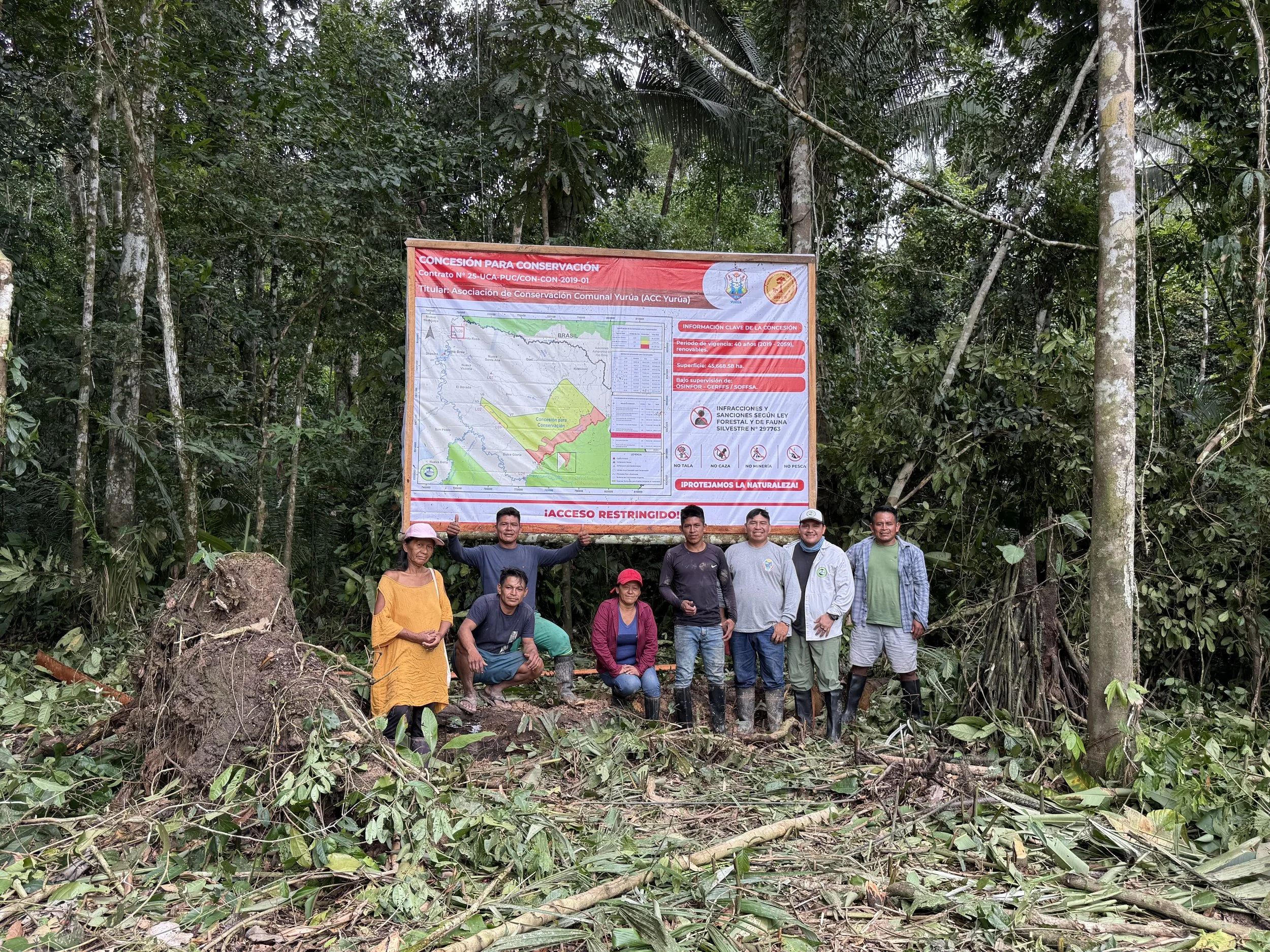
Strengthening the Yurúa Communal Conservation Concession
Encompassing 113,000 acres of intact forest, the Yurúa Communal Conservation Concession is the only conservation concession in Peru managed by a consortium of neighboring Indigenous communities. UAC helped establish the concession in 2019 and continues to support its management, including its recent recognition as an Other Effective Area-based Conservation Measure (OECM) and implementation of its management plan.
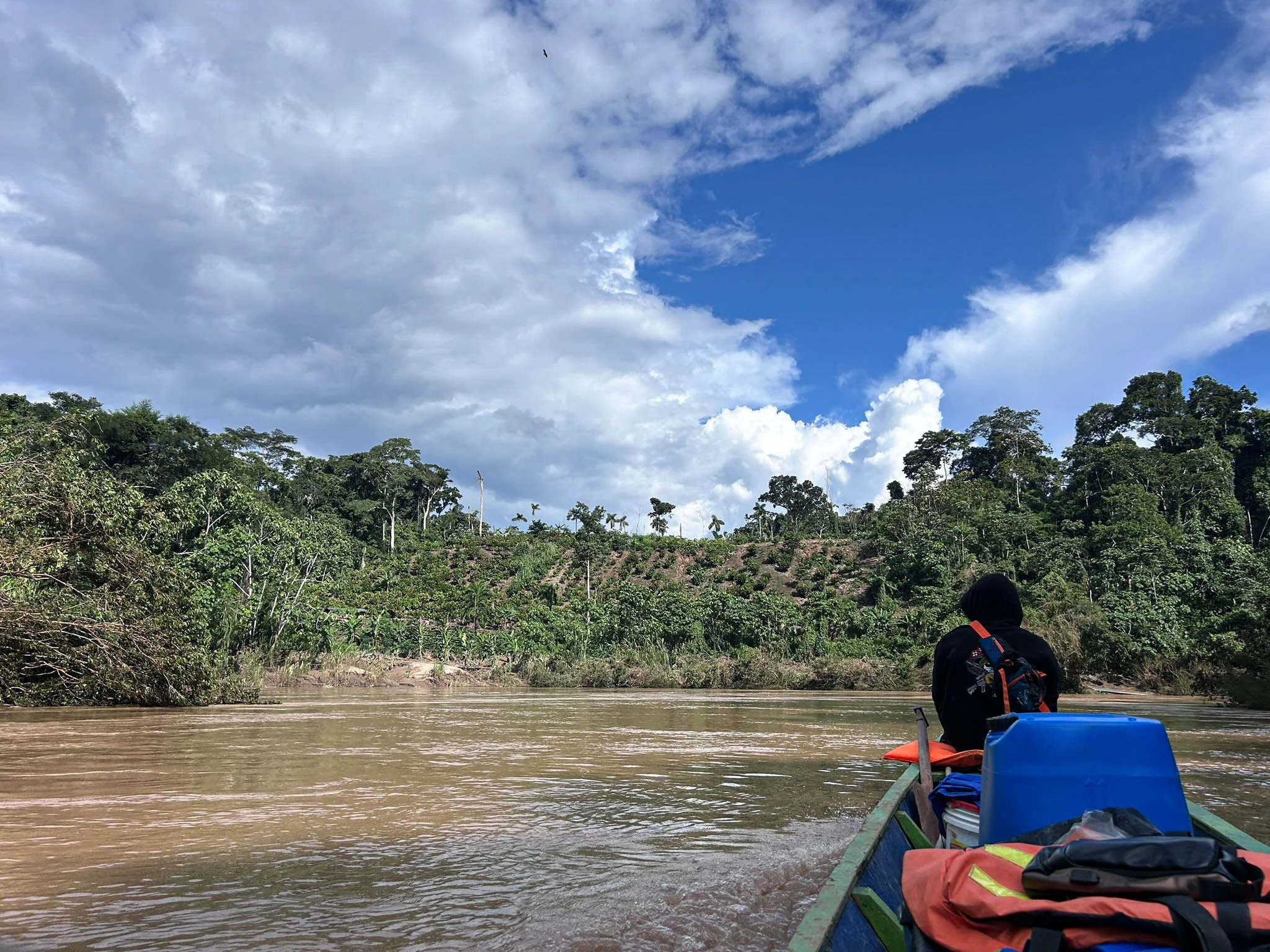
Protecting the Sepahua River Headwaters
In partnership with ARDISEP, an Indigenous association of conservationists and artisans, we are working to secure formal protection for 165,000 acres of forest in the Sepahua River headwaters. We consider this one of the most important unprotected areas in Peru for Indigenous peoples living in voluntary isolation.
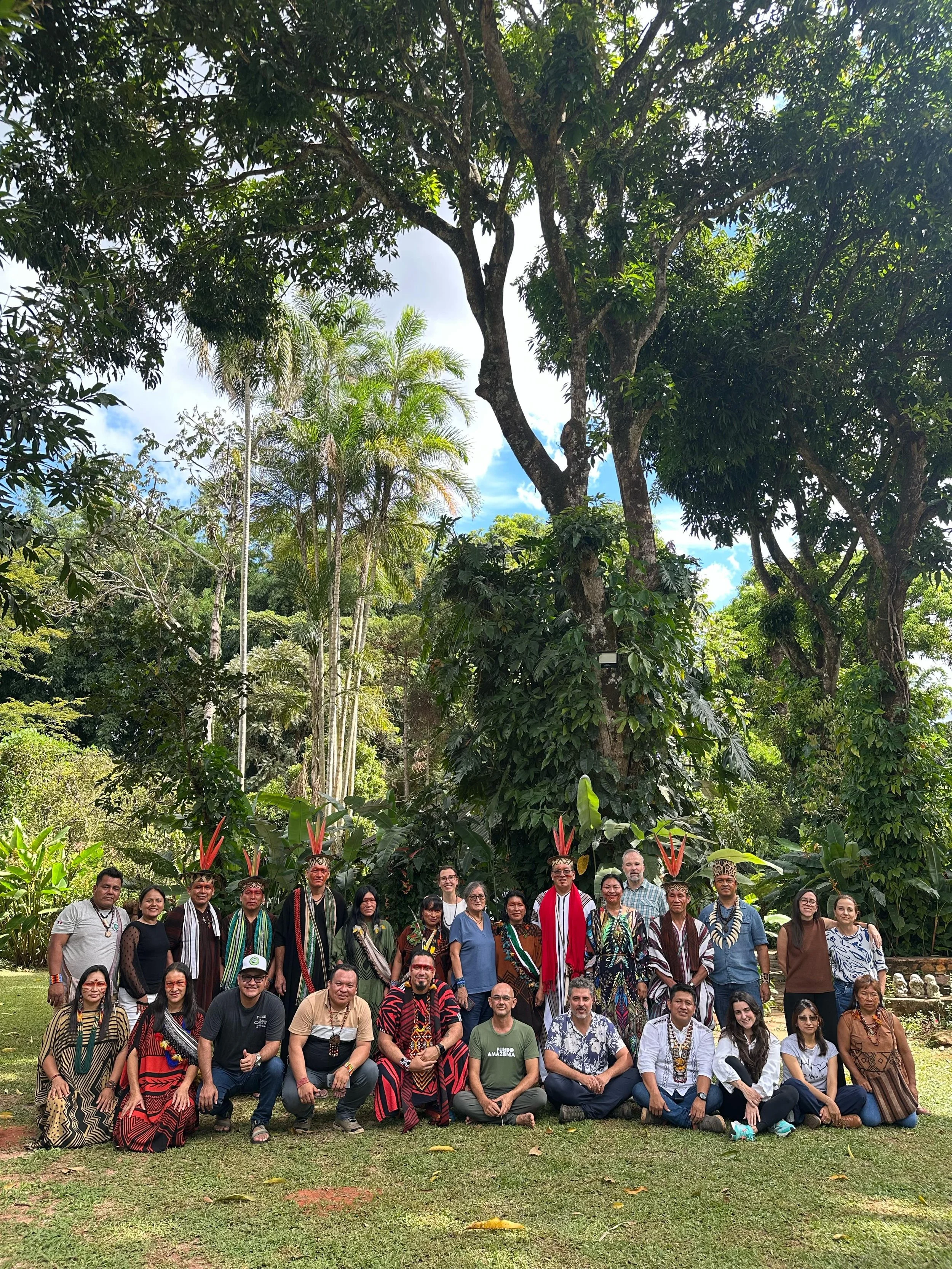
Coordinating the Peru–Brazil Transboundary Commission
As an original member of the Yurúa–Juruá–Alto Tamaya Transboundary Commission, UAC has coordinated strategic meetings and joint activities since 2024, bringing together Indigenous leaders from both sides of the border to address illegal activities, deforestation, and threats to Indigenous territories. Recent efforts include accompanying Indigenous leaders to Vienna, Austria, to participate in the Conference of the Parties to the UN Convention against Transnational Organized Crime.

Promoting Sustainable Livelihoods in the Yurúa Basin
The Yurúa River remains a central focus of UAC’s fieldwork. We partner with 17 Indigenous communities on territorial protection, sustainable resource management, species conservation, and women’s leadership. An important priority is helping communities develop sustainable sources of income through initiatives such as açaí harvesting, handicraft production, and the establishment of community cooperative stores in remote villages.