Media
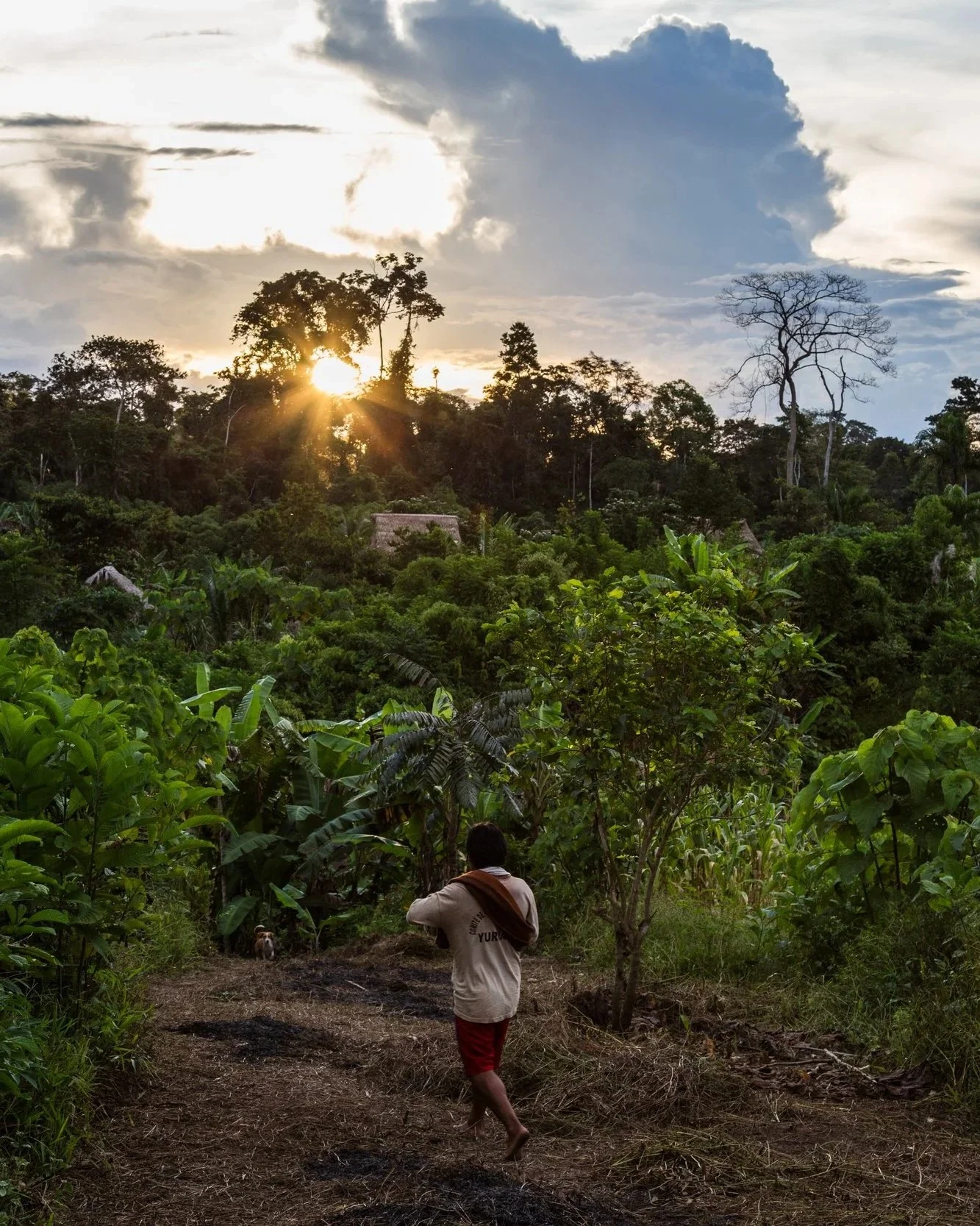
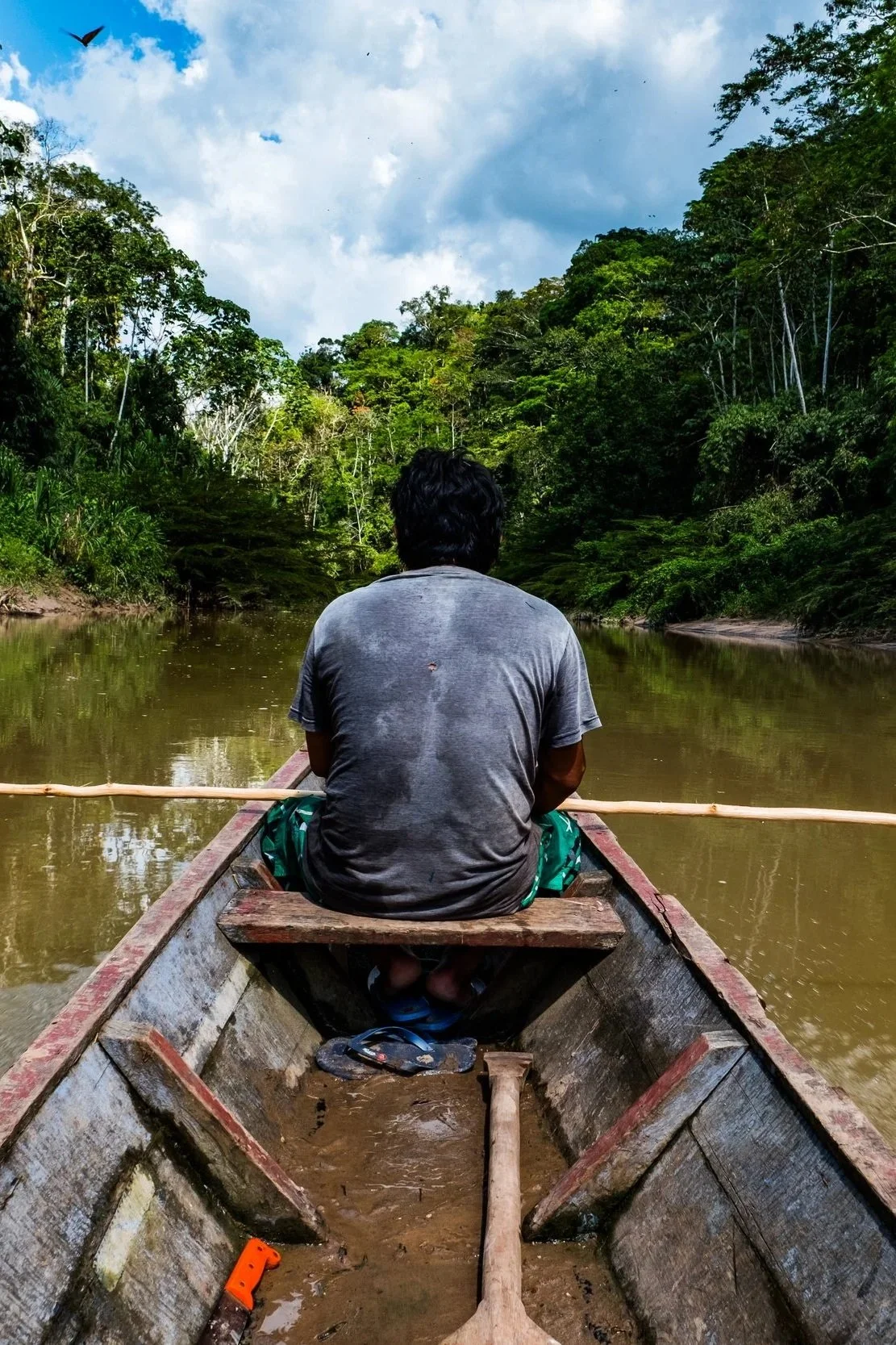
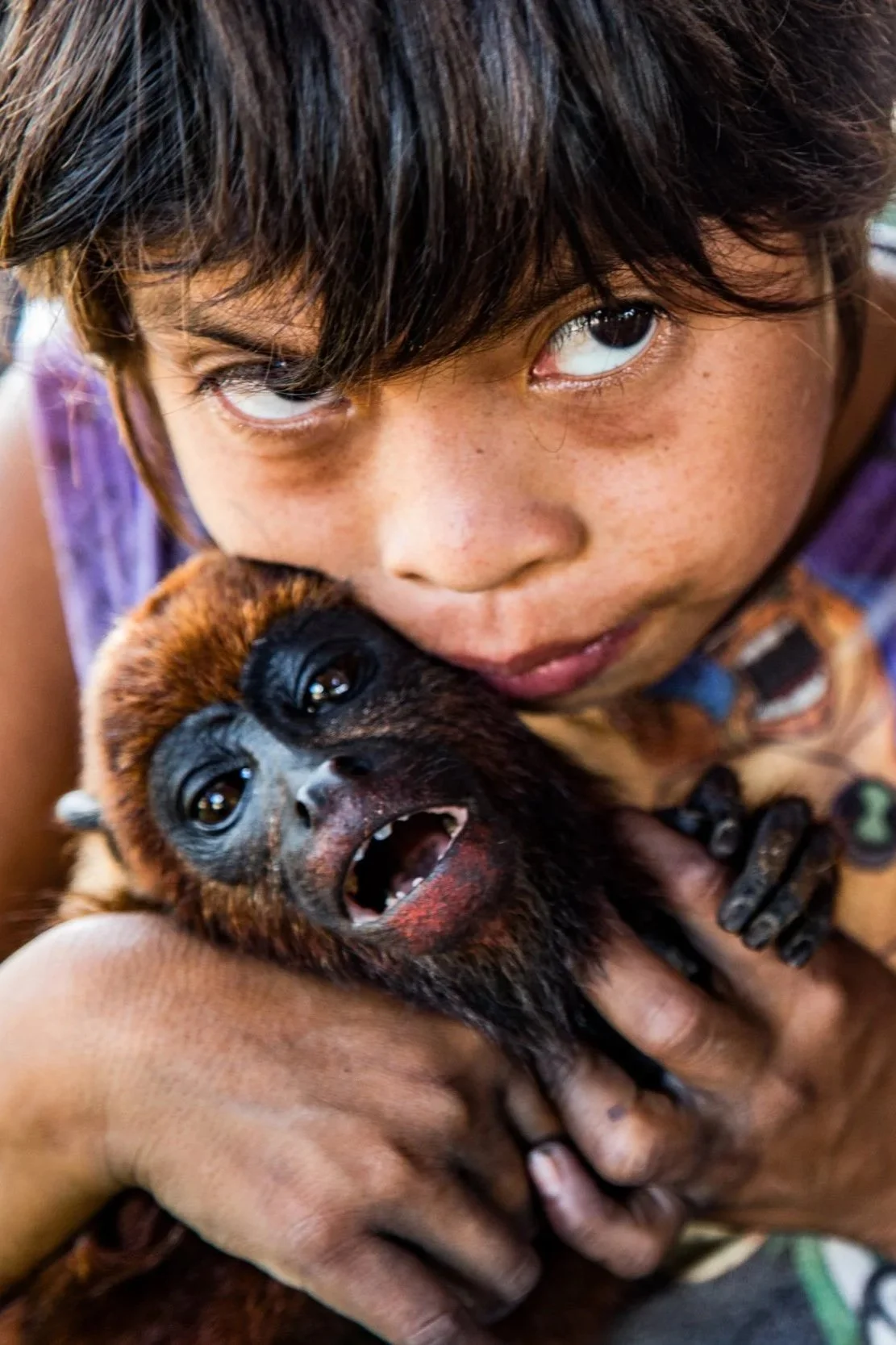
Communications is an essential tool in raising awareness and advocating for better protection of the unique cultures and ecosystems of the Upper Amazon. We produce our own in-house materials and also collaborate with photographers, filmmakers, publications, and other media professionals on a wide range of media products.
Maps | Reports & Publications I Videos & Multimedia I Infographics | Publications
Maps

Purús–Manu Conservation Landscape

Indigenous Territories and Conservation Areas Purús

Indigenous Territories and Conservation Areas of the Yurúa River Basin

Indigenous Territories and Conservation Areas of the Inuya and Sepahua River Basins

Airstrips and Organized Crime Along the Proposed Nueva Italia–Bolognesi Road

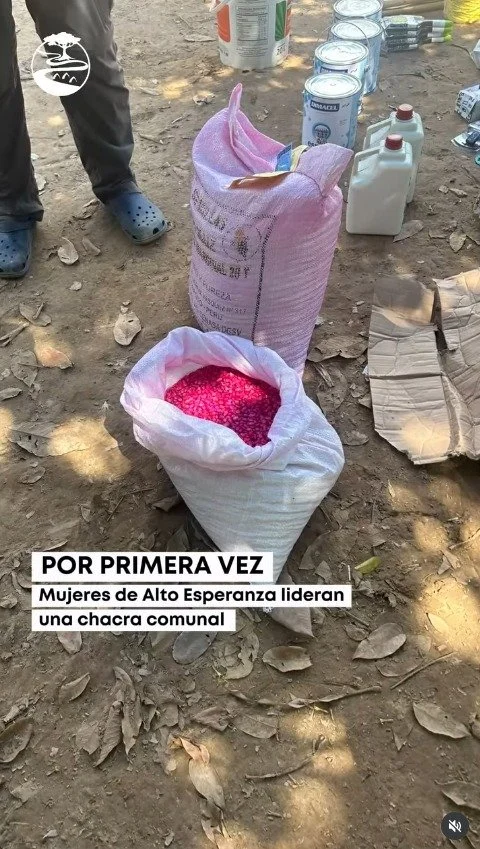
Alto Esperanza Indigenous Community, Inuya River
Deforestation in the Sepahua area, Ucayali, Peru (2001–2025)
Deforestation and Forest Degradation in the Amonia Area, Ucayali, Peru (1998–2024)
Reports & Publications
Life Plans:
A Planning Tool for Development in Indigenous Communities
The Life Plan is a management tool that strengthens the capacities of Indigenous communities in the Amazon to pursue their own development based on their perspectives, sustainability, and rights as citizens and Indigenous Peoples.
Life Plans enable community members to identify challenges and organize themselves to achieve strategic objectives. Their development is a collective undertaking for both male and female leaders, who must gather the perspectives of women and men on how to improve quality of life in their communities and identify the actions needed to make that vision a reality.
The Life Plan promotes a vision of development rooted in Indigenous culture and harmonious relationships with the natural environment and wider society. From this perspective, people's overall well-being is closely linked to the protection of forests and the biological diversity of their territories.
Implementing Life Plans requires collaboration between government institutions and civil society organizations, which can support the development initiatives proposed by community members and help build a better future.
TECHNICAL DATA SHEET
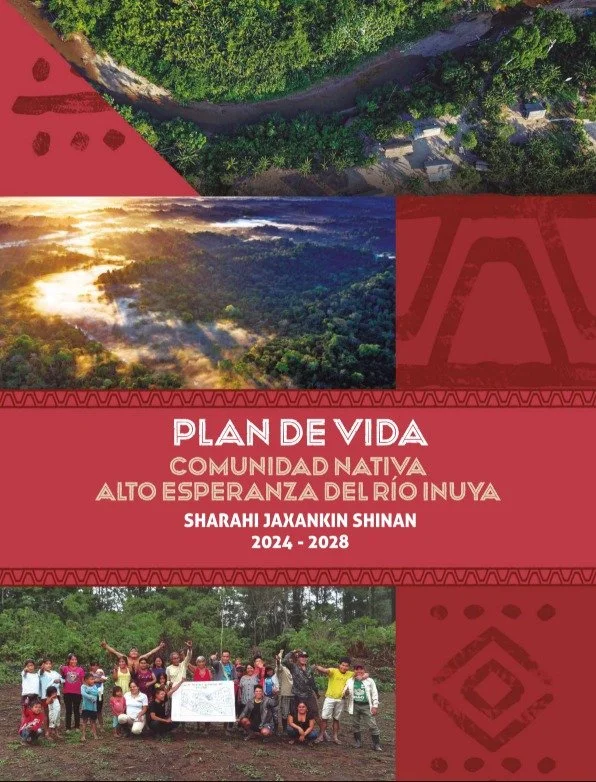
2024 – 2028
Publication date: October 2024
People: Amahuaca
Number of pages: 60
PIACI Assessment:
Assessment of Threats to Indigenous Peoples in Voluntary Isolation and Initial Contact (PIACI) in the Purús Complex, Peru
This report provides an assessment of the threats affecting the watersheds of the Yurúa, Inuya, Sepahua, and Purús rivers, an extensive region of tropical forests along the border between Peru and Brazil. This area forms the northern part of the Purús–Manu Landscape, a complex of protected areas and Indigenous territories covering more than 10 million hectares and home to one of the largest populations of Indigenous Peoples in Voluntary Isolation and Initial Contact (PIACI) in the world.
These watersheds provide access to important protected areas, including Alto Purús National Park and three Indigenous Reserves that are home to PIACI: Murunahua, Mashco Piro, and Kugapakori, Nahua, Nanti and Others. They are also home to numerous Indigenous communities belonging to the Ashéninka, Asháninka, Yine, Yaminahua, Amahuaca, and other peoples.
TECHNICAL DATA SHEET
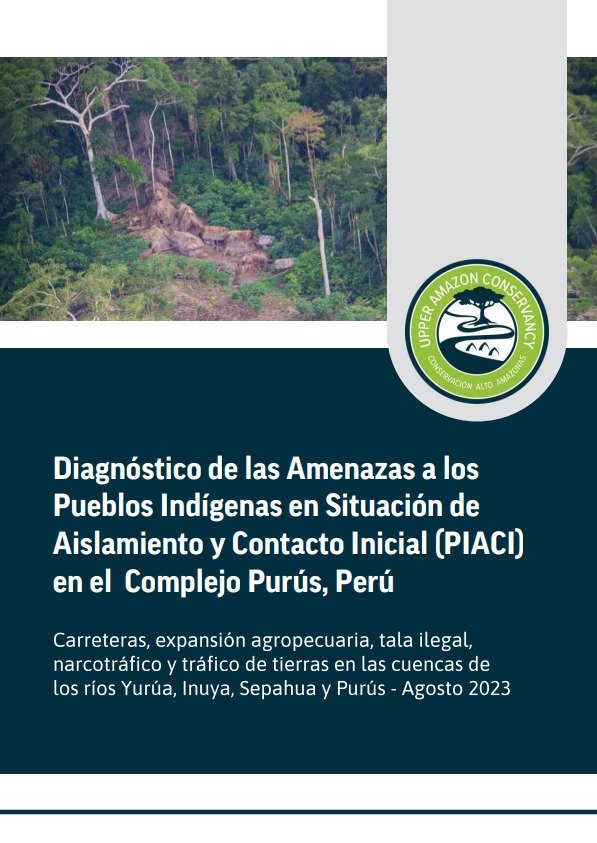
2023
Publication date: Agosto 2023
Territory: Purús, Peru
Number of pages: 53
Transboundary Assessment:
Strengthening Indigenous Peoples’ Strategies and Actions in Yurúa, Alto Tamaya (Peru), and Alto Juruá (Brazil)
This assessment aims to strengthen the engagement and coordination of Indigenous Peoples and organizations in the Yurúa, Alto Tamaya, and Alto Juruá river regions, along the border between Peru and Brazil, to develop joint strategies and actions focused on Amazon conservation and the promotion of Indigenous Peoples’ rights.
The following sections present the results of the data collection and systematization process based on information gathered during three strategic meetings involving Indigenous communities and organizations, as well as civil society organizations, held between November 2021 and September 2022.
Together, these meetings brought together more than 230 people representing 13 Indigenous organizations and 15 Indigenous Peoples living in Acre (Brazil) and Ucayali (Peru): Asháninka, Ashéninka, Yanesha, Amahuaca, Chitonahua, Yaminahua/Jaminawa, Apolima Arara, Kuntanawa, Huni Kuin/Kaxinawá, Katukina, Sharanawa, Nawa, Puyanawa, Nukini, and Shipibo-Konibo.
TECHNICAL DATA SHEET
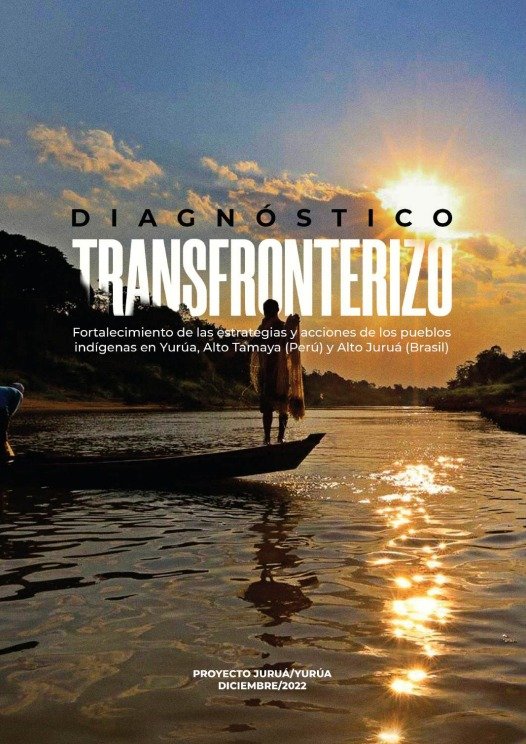
2022
Publication date: Diciembre 2022
Territory: Yurúa, Alto Tamaya (Perú) y Alto Juruá (Brasil)
Number of pages: 74
Videos & Multimedia
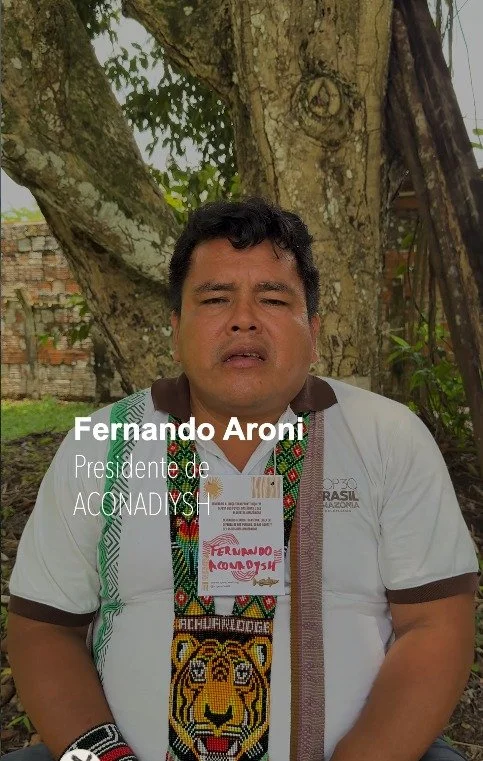
YouTube Videos:
Instagram Reels:
Infographics
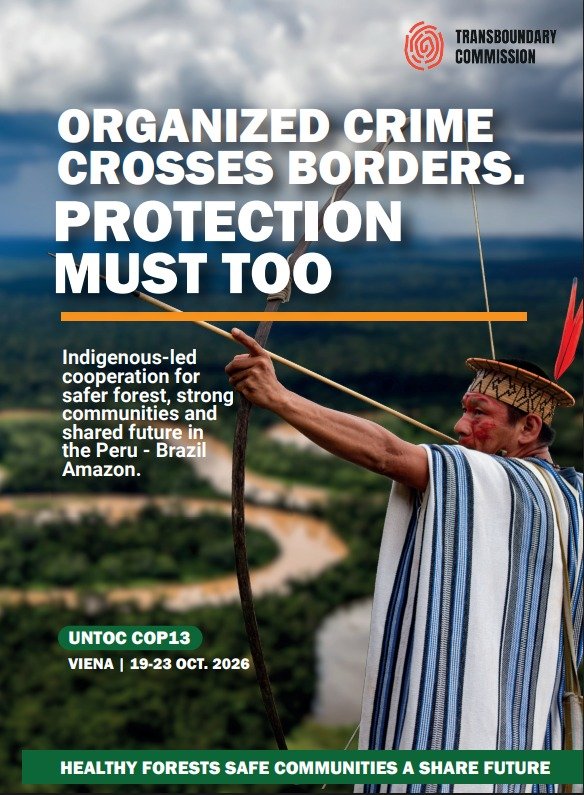
Our brochures outline some of the work and objectives of projects supported by UAC.
Organized Crime Crosses Borders: Indigenous Peoples Bring Their Proposals to the UN
Indigenous leaders from Peru, Brazil, Colombia, and Ecuador gathered at COP13 in Vienna to call for stronger territorial protection, the safety of Indigenous defenders, and coordinated action against organized crime in the Amazon.
Their message is clear: Indigenous peoples must have a voice in international decisions affecting their territories.
Publications
Who killed this Indigenous family in the Peruvian Amazon? And why?
Chris Fagan, NationalGeographic.com, November 2020
Last Wildest Place
Jason Houston and Chris Fagan, ZEKE magazine, Fall 2020
Coca farms close in on protected areas, isolated tribes in Peruvian Amazon
Chris Fagan, mongabay.com, December 2019
Investigation reveals large-scale land invasion in Peruvian Amazon (audio podcast)
Chris Fagan, mongabay.com, December 2019
Perú: cultivos de coca amenazan áreas protegidas y pueblos indígenas en aislamiento en la Amazonía
Chris Fagan, es.mongabay.com, December 2019
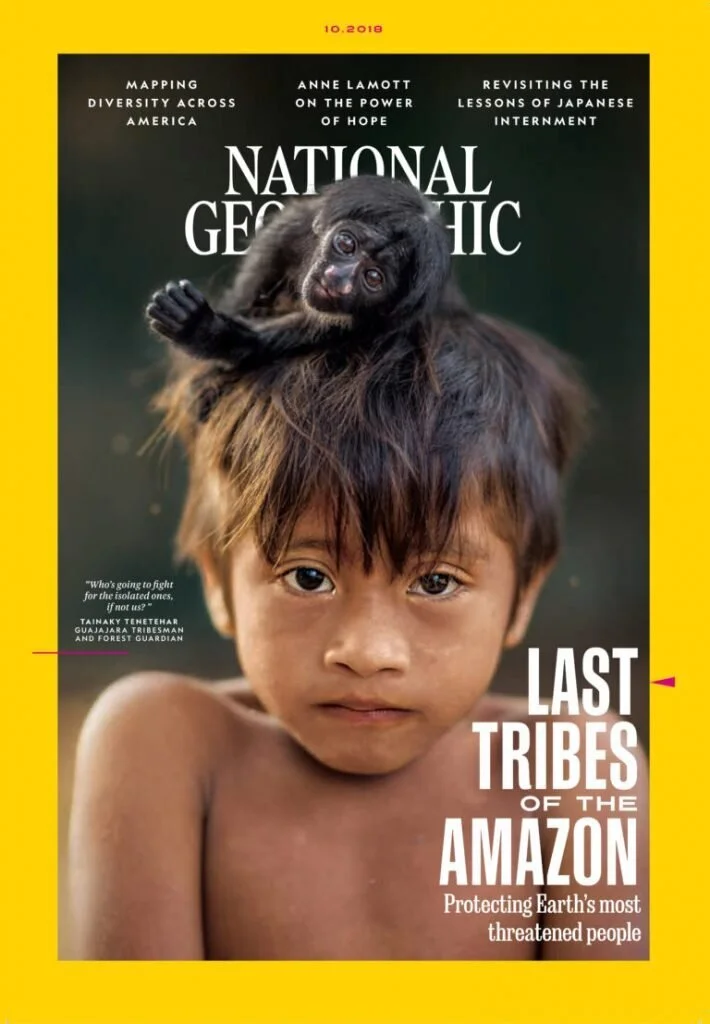
Isolated Nomads Are Under Siege in the Amazon Jungle (English) (Spanish)
Chris Fagan, National Geographic magazine, October 2018
Natural Resource Use in Alto Purús Indigenous Communities (in Spanish)
Upper Amazon Conservancy and ProPurús, 2013
Social and Environmental Impacts of Mahogany Logging on Peruvian Indigenous Communities (Graduate Study Thesis)
Aaron Groth, Masters of Arts candidate, University of Missouri – August 2014
Alto Purús National Park Guard Manual
Upper Amazon Conservancy – October 2013
Coca and conservation: cultivation, eradication, and trafficking in the Amazon borderlands
D. S. Salisbury and C. Fagan. Geojournal, August 2011.
Overflight Reveals Illegal Settlement in the Alto Purús National Park
Upper Amazon Conservancy – August 2010
Illegal Mahogany Logging Continues in the Murunahua Uncontacted Reserve
Upper Amazon Conservancy – July 2010.