Empowered Indigenous Tribes and Effective Protected Areas
Our vision for the Purús—Manu Landscape includes truly effective protected areas where isolated groups are able to continue their lifestyle in voluntary isolation for as long as they choose. In this vision, local communities are actively engaged in conservation efforts and earning income through the sustainable use of their resources. We envision a better-educated, healthier, and more skilled local population with renewed pride in their diverse cultures, and the confidence and capability to assume their rightful role as stewards of one of the most remarkable places left on Earth.
We are working to achieve this vision through several multifaceted strategies.
Gateway Communities Initiative
Effective protection of the Purus-Manu region and its isolated people depends on the wellbeing and capacity of communities living around protected areas. In these remote and difficult to access regions, government presence is minimal. We aim to join in helping local communities become the most effective guardians of their own territories. Through the Gateway Communities Initiative (GCC) we stregthen community-led conservation by supporting land-use planning, surveillence, capacity building and sustainble livelhoods.
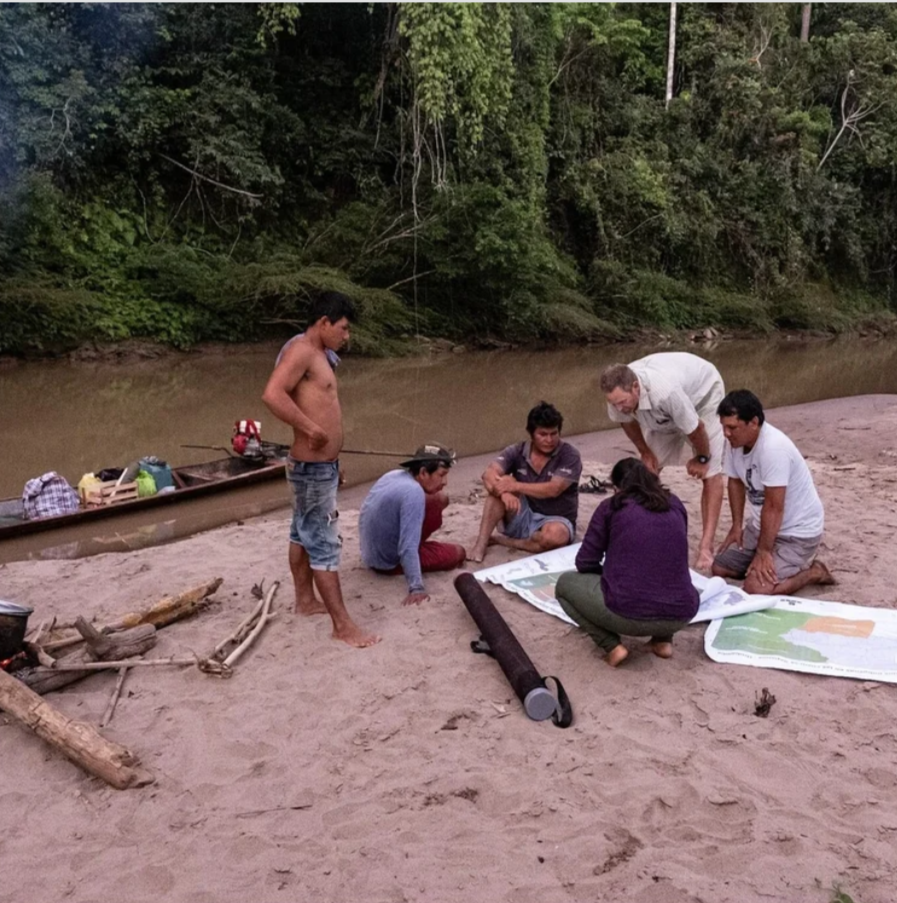
To date we have established 17 community monitoring groups across 6 different river systems. Equipping nearly 100 Indigenous people to monitor and detect illegal activities, track endangered species, and identify signs of isolated peoples in remote areas.
One of the main tools we support are Life Plans, developed by Indigenous communities to define their territorial vision and development priorities.
These plans strengthen Indigenous governance and guide conservation and sustainable development actions within their territories.

Sustainable livelihoods
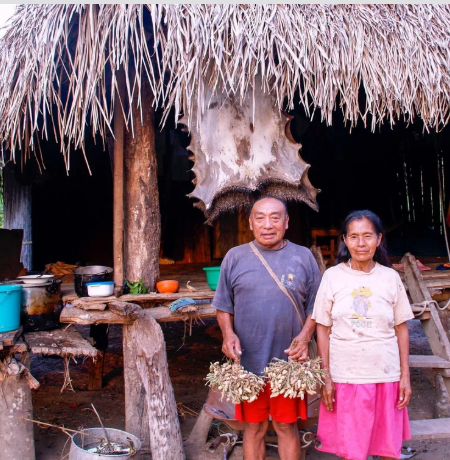
Remote communities require viable alternatives to destructive activities such as logging, cattle ranching, and large-scale agriculture. We support sustainable livelihood projects that generate income while protecting forests, including community-managed fisheries, mahogany seed collection for reforestation, and the sustainable harvesting of tree resins for medicinal products.
Example: A community lake management plan—the first of its kind in the Upper Purús region.
Indigenous land titling
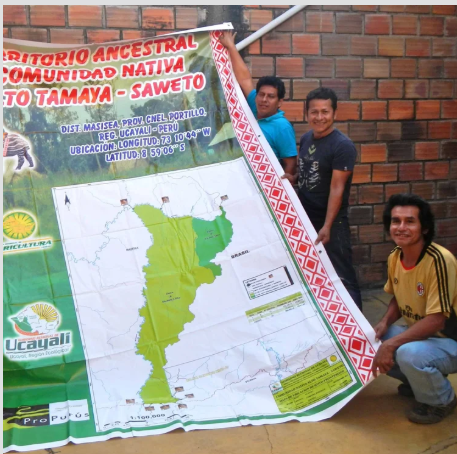
UAC has supported and led numerous Indigenous land titling initiatives. In 2015, we helped secure legal title for the Asháninka community of Saweto, the first Indigenous community in Ucayali to receive title in over a decade. We work to ensure that Indigenous peoples can secure legal recognition of their traditional territories, even where complex challenges such as overlapping forestry concessions exist.
Example: Three Asháninka communities in the Yurúa River region obtain legal title to their lands.
Protected Areas
We have worked closely with Peru’s National Service of Protected Natural Areas (SERNANP) and the Ministry of Culture to engage local communities in monitoring access routes and buffer zones around protected areas such as Alto Purús National Park and the Murunahua Indigenous Reserve for Indigenous peoples living in voluntary isolation.
We provide field equipment, organize ranger training programs, and support aerial and river patrols to investigate illegal activities and monitor populations of endangered flora and fauna. We also collaborate on the development of protected area management and protection plans, as well as the creation of new protected areas managed by local Indigenous communities.
Examples: The new Yurua Communal Conservation Concession protectes 112,850 hectares for local communities.

Raising Awareness
Through education and advocacy campaigns, we raise international awareness of the challenges facing Peru’s Indigenous peoples, particularly Indigenous Peoples in Voluntary Isolation and Initial Contact (PIACI). Our campaigns have drawn attention to illegal mahogany logging, Indigenous resistance to infrastructure projects that threaten their territories, and the continued invasion of Indigenous lands and protected areas by coca cultivation.
Example:In October 2019, our investigation of land invasions was published in the English and Spanish versions on the global environmental news site, Mongabay.