Authorities and organizations endorse the conservation of 67,000 hectares in the headwaters of the Sepahua River
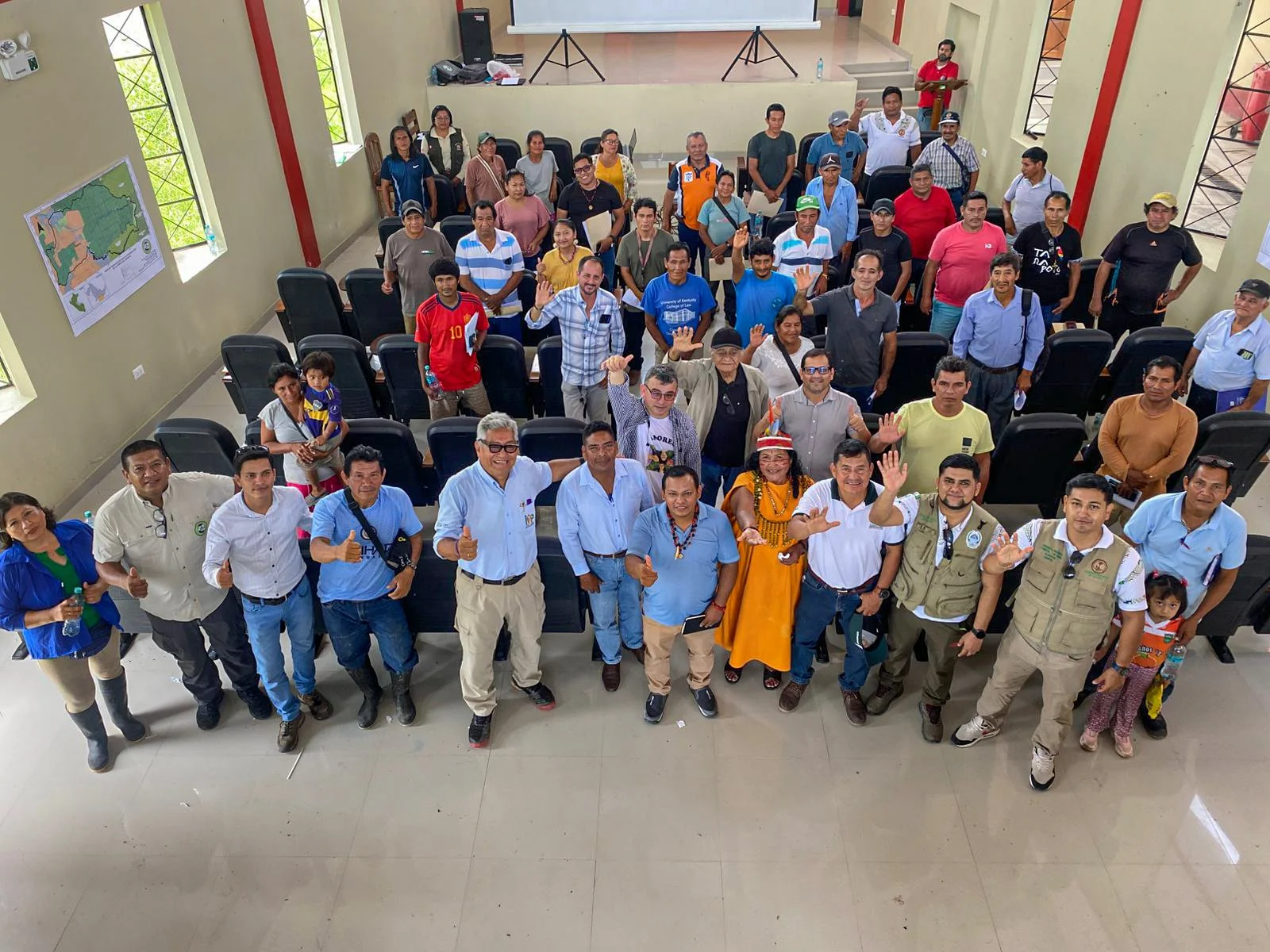
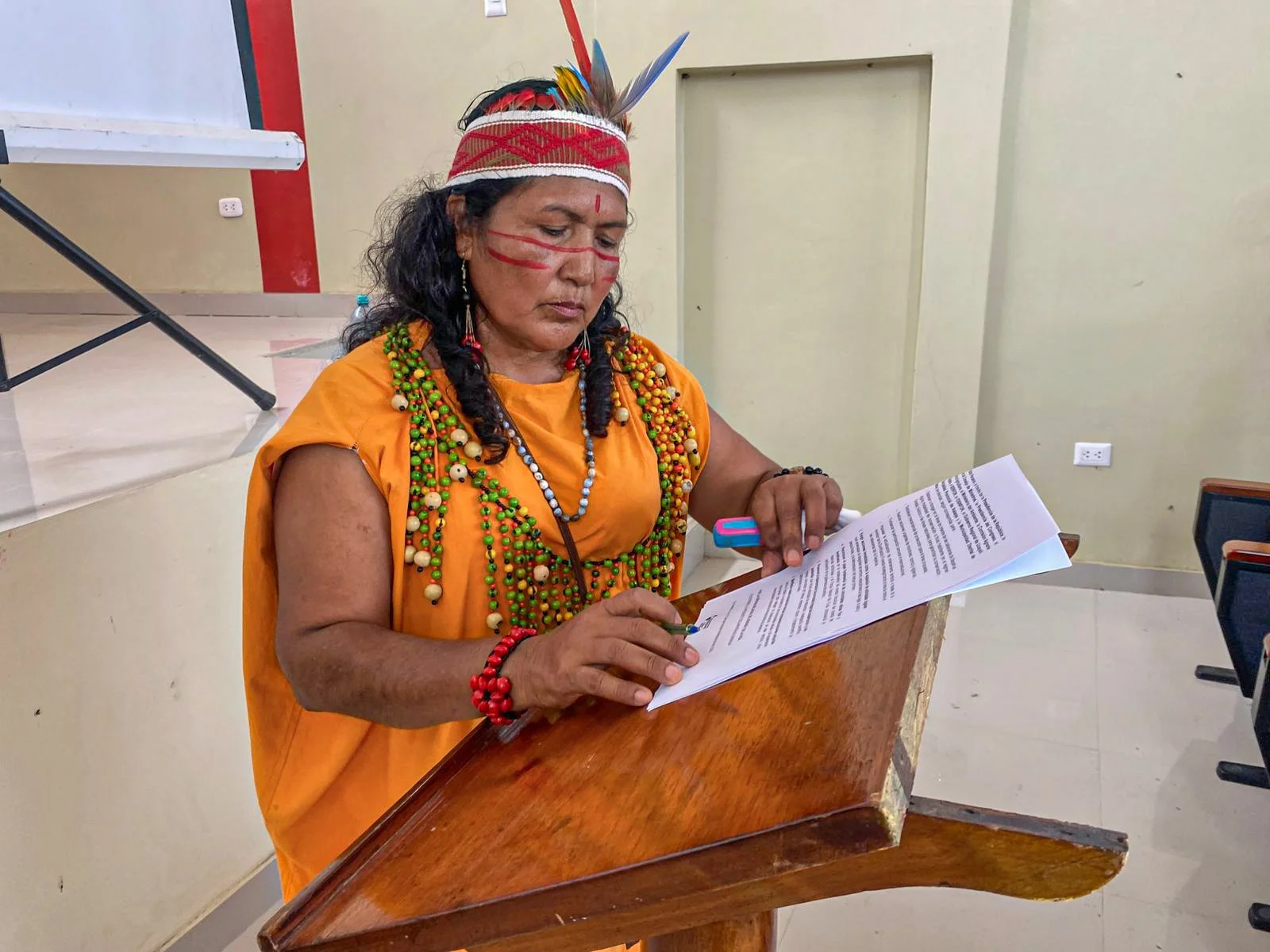
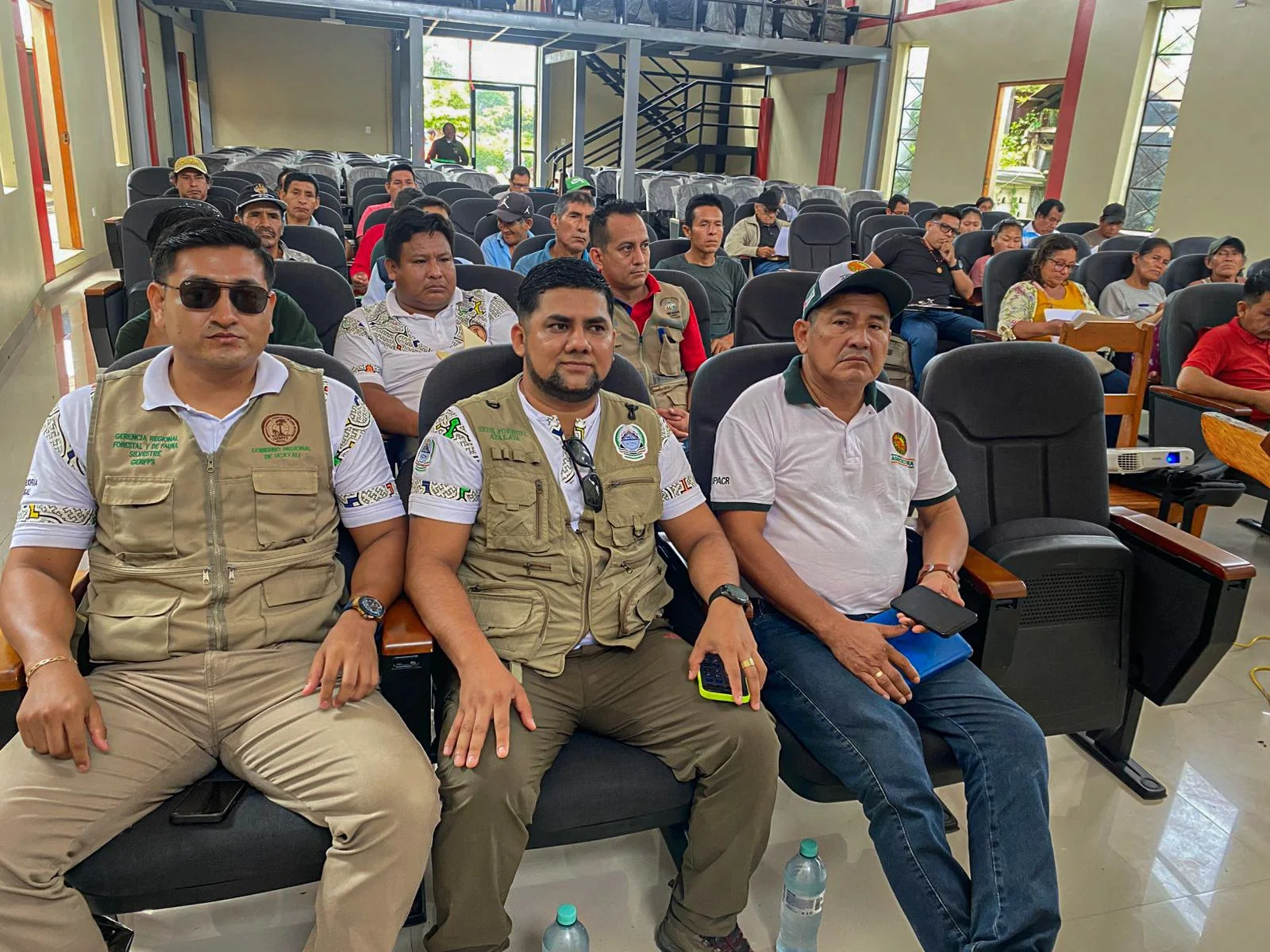
On November 27, regional authorities, Indigenous organizations, community monitoring committees, and local residents participated in an informational workshop on territorial planning, zoning, and responsible land use, held at the Municipal Auditorium of Sepahua. The event concluded with the reading and signing of the “Declaración de Sepahua,” through which approximately 67,200 hectares located in the headwaters of the Sepahua River were formally endorsed for conservation.
During the workshop, the Asociación de Trabajadores Artesanos del Distrito de Sepahua (ARDISEP), as the convening organization, facilitated community participation and highlighted the need for greater clarity in the district’s forest and agrarian regulations.
From the technical sector, the Gerencia Regional Forestal y de Fauna Silvestre —together with its SOFFSA office in Atalaya— presented the forest classification system, the procedures for physical–legal regularization (saneamiento físico–legal), and the implications of forest concessions that overlap with communal territories. The Dirección Regional de Agricultura de Ucayali (DRAU) complemented these presentations with legal and technical criteria regarding the titling processes for Native and peasant communities.
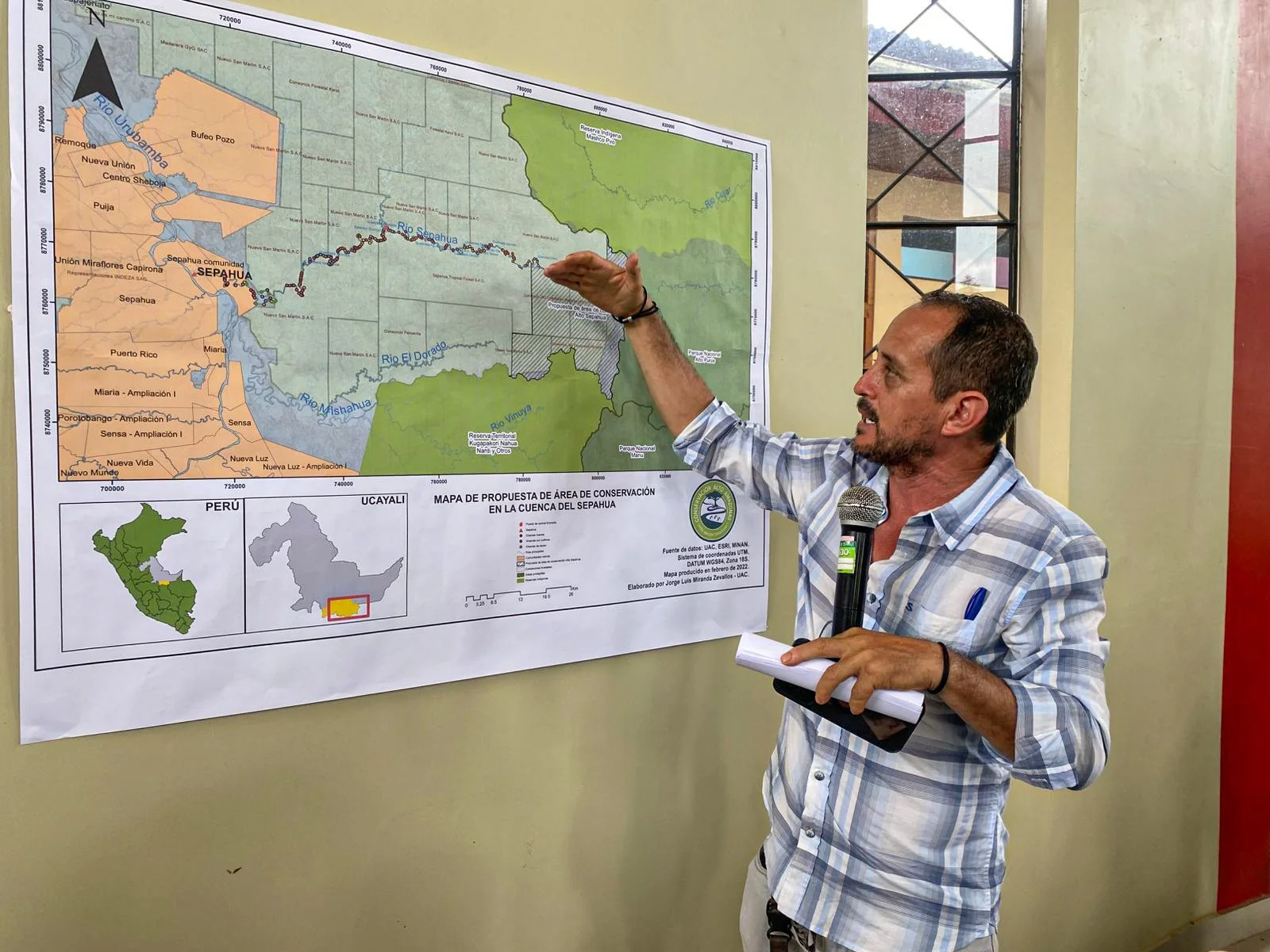
Conservación Alto Amazonas (UAC), for its part, presented the conservation proposal for the headwaters of the Sepahua River, emphasizing its importance for water security, biodiversity, and the protection of Indigenous territory.
The presentations helped clarify key concepts such as Permanent Production Forests (Bosques de Producción Permanente, BPP), land-titling processes, and the regulatory framework applicable to communal areas. “Many communities were unaware of the overlap of forest concessions and needed clearer guidance on current regulations,” stated Alex Arana, representative of SOFFSA. Likewise, Marisela Vargas, member of ARDISEP, emphasized that “this space allows us to receive directly from the authorities the information we must follow to avoid infractions.”
The protection of the Sepahua River headwaters was one of the central themes of the workshop, underscoring the strategic value of this territory for water provision, biocultural connectivity, and the integrity of the district’s forests. The Declaration incorporates the environmental and cultural arguments presented in the memorial, which warns of threats such as deforestation, agricultural expansion, and various illegal activities.
The workshop concluded with the approval and signing of the “Declaración de Sepahua,” which urges the State to establish formal protection mechanisms for the river’s headwaters, strengthen community participation in their management, and promote coordinated actions that ensure water security, biodiversity conservation, and the safeguarding of Indigenous territory.
As next steps, participants agreed to share the content of the memorial with communities throughout the district, continue providing technical information to authorities and local organizations, and support the ongoing territorial planning and conservation process in coordination with the relevant institutions.