Communities release more than 2,000 taricaya and charapa freshwater turtles into the Yurúa River to safeguard the forest and river ecology
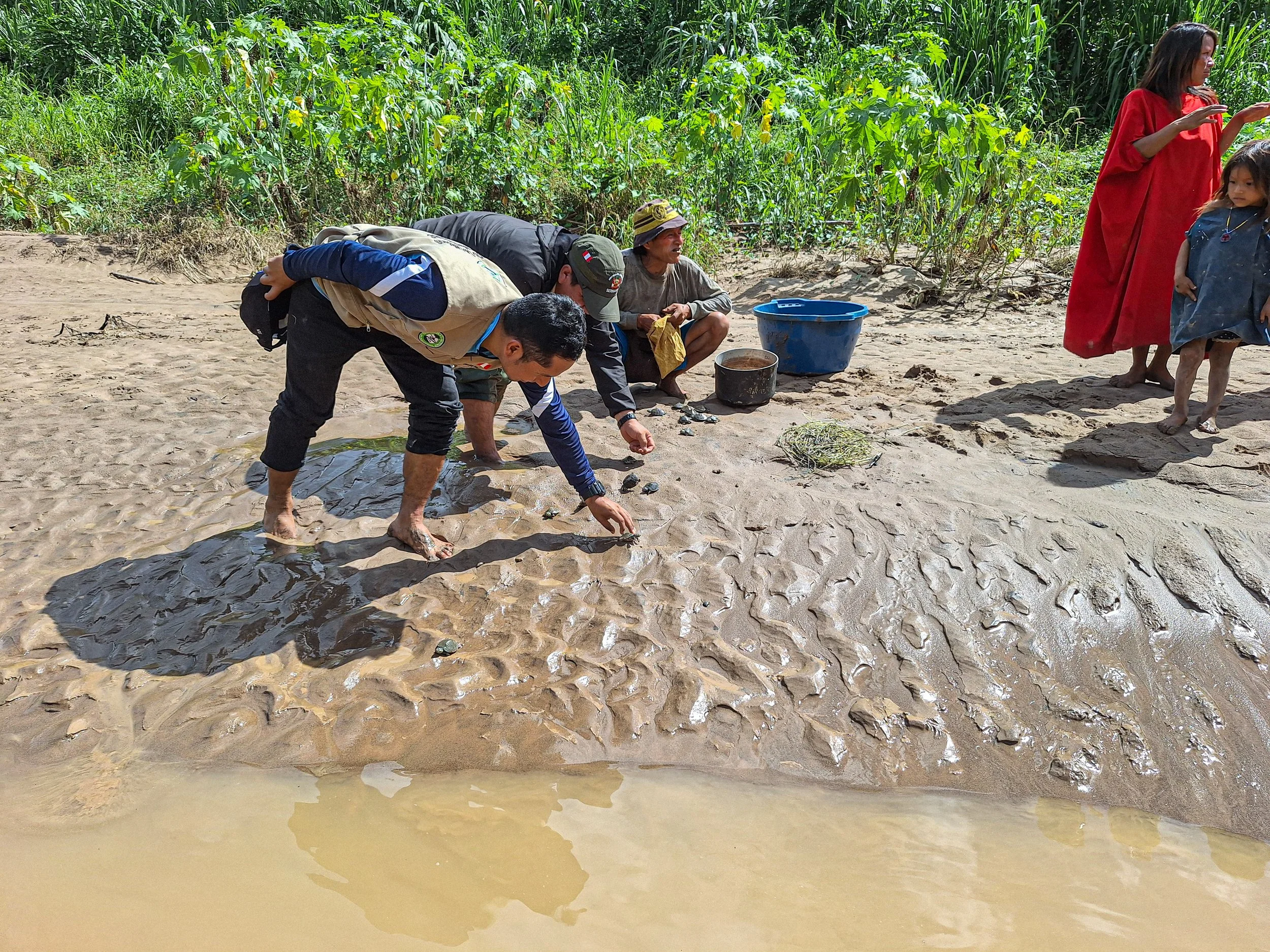
Release of taricaya (Podocnemis unifilis) hatchlings, with participation from the Indigenous community and support from PNAPU and UAC.
Through the Conservation Alliance, Amazonian communities are leading preservation efforts that help repopulate species crucial to the ecosystem’s health.
The Conservation Alliance is comprised of Indigenous organizations and institutional allies working together to strengthen territorial management and conservation in Yurúa. Its members include: ACONADIYSH (Association of Native Communities for the Integral Development of Yurúa – Yono Sharakoiai), ACCY (Yurúa Communal Conservation Association), AACAPY (Environmental Association of the Asheninka Pocharipankoky Pikiyako Yurúa People), Alto Purús National Park (PNAPU), and Upper Amazon Conservation (UAC). The alliance promotes coordinated actions for monitoring, sustainable management, and protection of key species and ecosystems in the Yurúa basin.
Between October and November 2025, the native communities of Sawawo, Nueva Bella, Nueva Vida, and Dulce Gloria—along with their localities Nuevo Edén and Selva Virgen—released a total of 2,018 taricaya and charapa hatchlings as part of their conservation and sustainable management strategies for aquatic chelonians. These actions were carried out in coordination with Alto Purús National Park (PNAPU), Upper Amazon Conservation (UAC), and the Frankfurt Zoological Society Foundation (FZS), with a strong focus on sustainability and community participation.
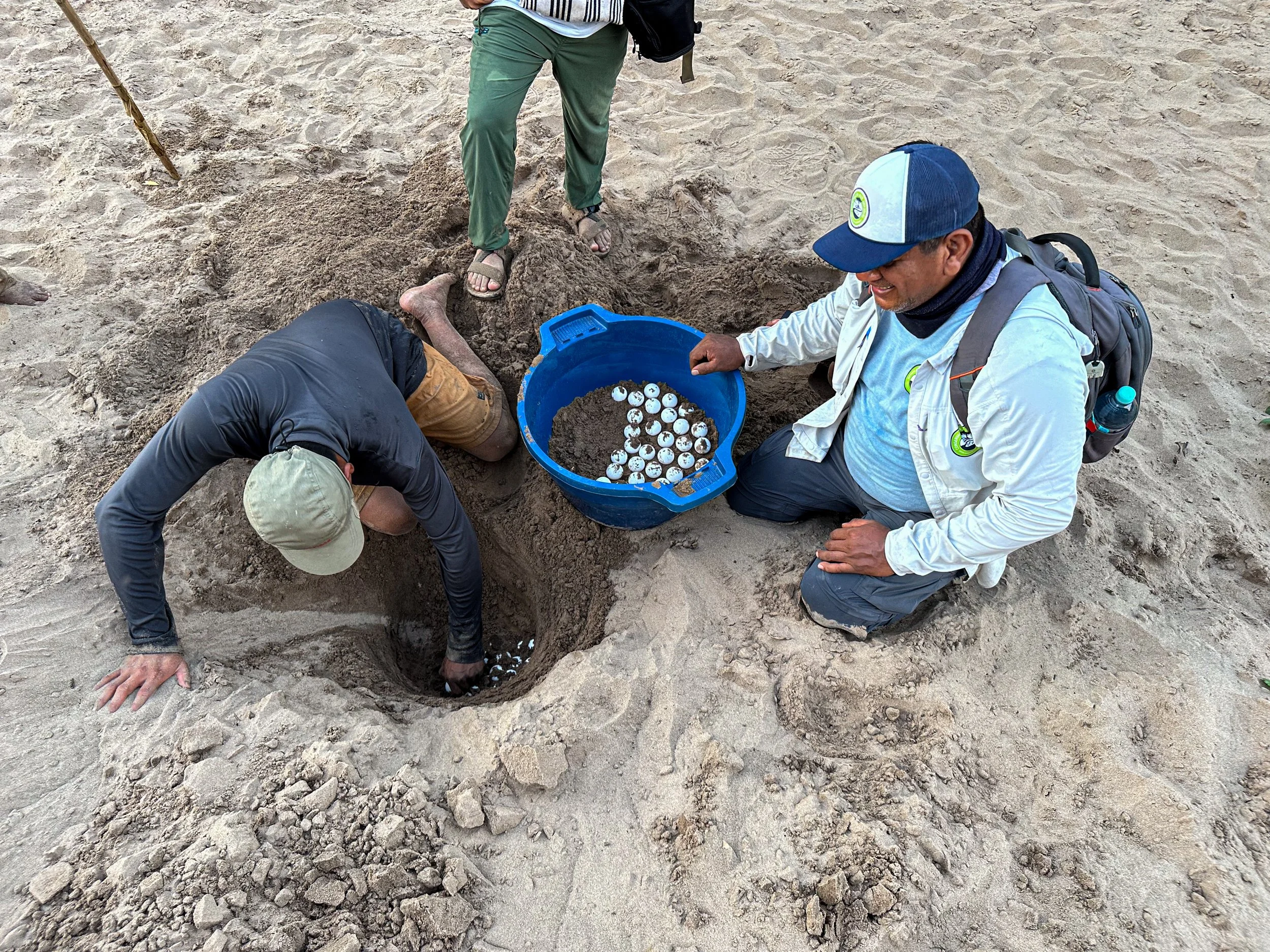
Careful collection of charapa eggs (Podocnemis expansa) during community monitoring activities.
The release of taricayas (Podocnemis unifilis) and charapas (Podocnemis expansa) is essential for maintaining the ecological balance of the Amazon rainforest. These species contribute to seed dispersal and forest regeneration and play a key role in sustaining food chains and river dynamics.
“The reintroduction of taricayas and charapas is the clearest evidence that conservation is successful when joint stewardship is exercised,” said Arsenio Calle, Head of Alto Purús National Park (PNAPU).
This year, community involvement proved fundamental. A total of 1,914 taricayas and 104 charapas were released through simultaneous activities at community fish farms and in rivers such as the Yurúa and Huacapishtea. These efforts were made possible through prior training of management groups, continuous beach monitoring, careful egg collection, protection against predators, and technical support from PNAPU and UAC.
“At UAC, we provide technical assistance, financial support, and strategic guidance to strengthen these community-based conservation processes. However, the most important factor is the commitment of the communities that protect these species and their territory,” said Bryan Vilcatoma, Field Coordinator – Yurúa.
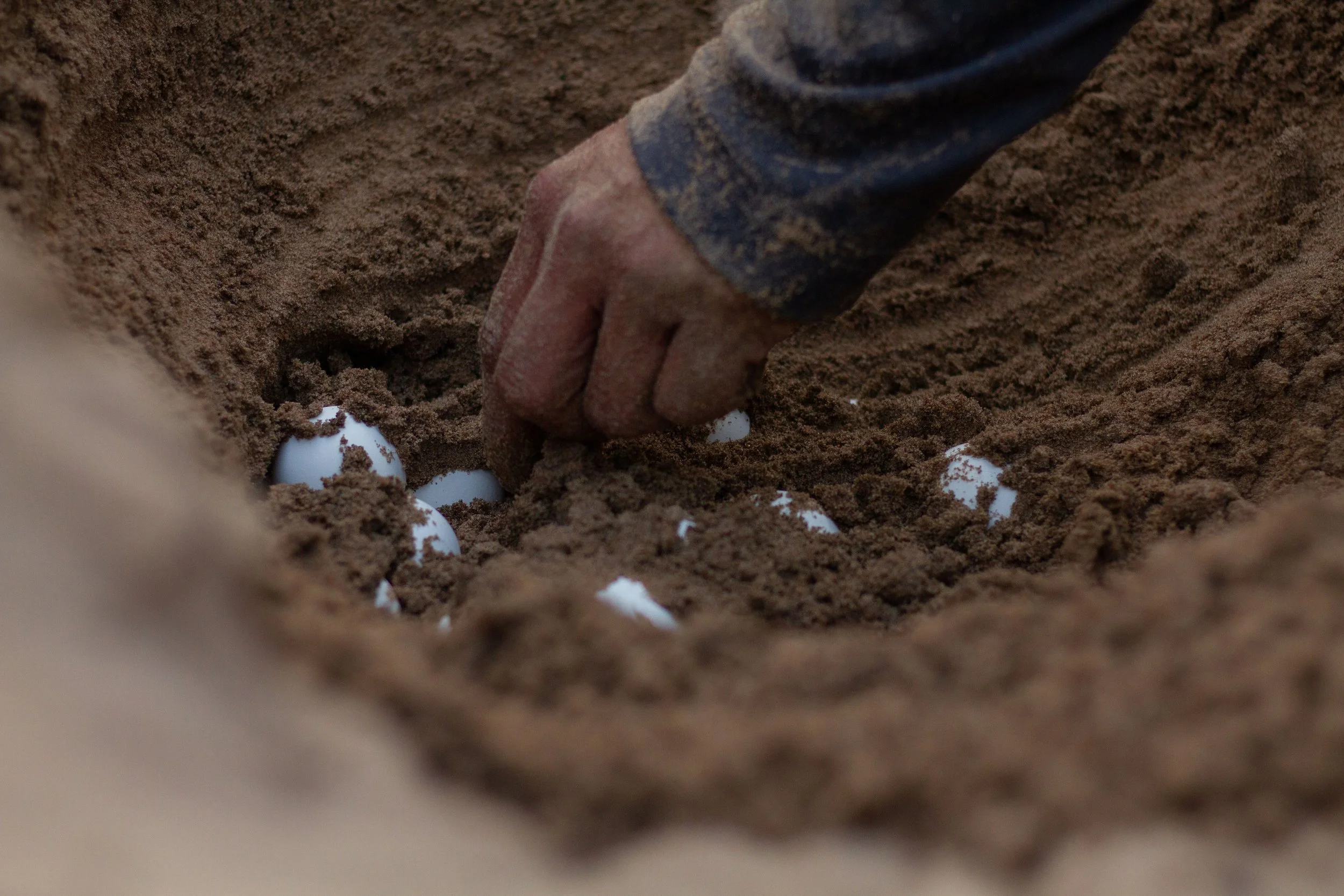
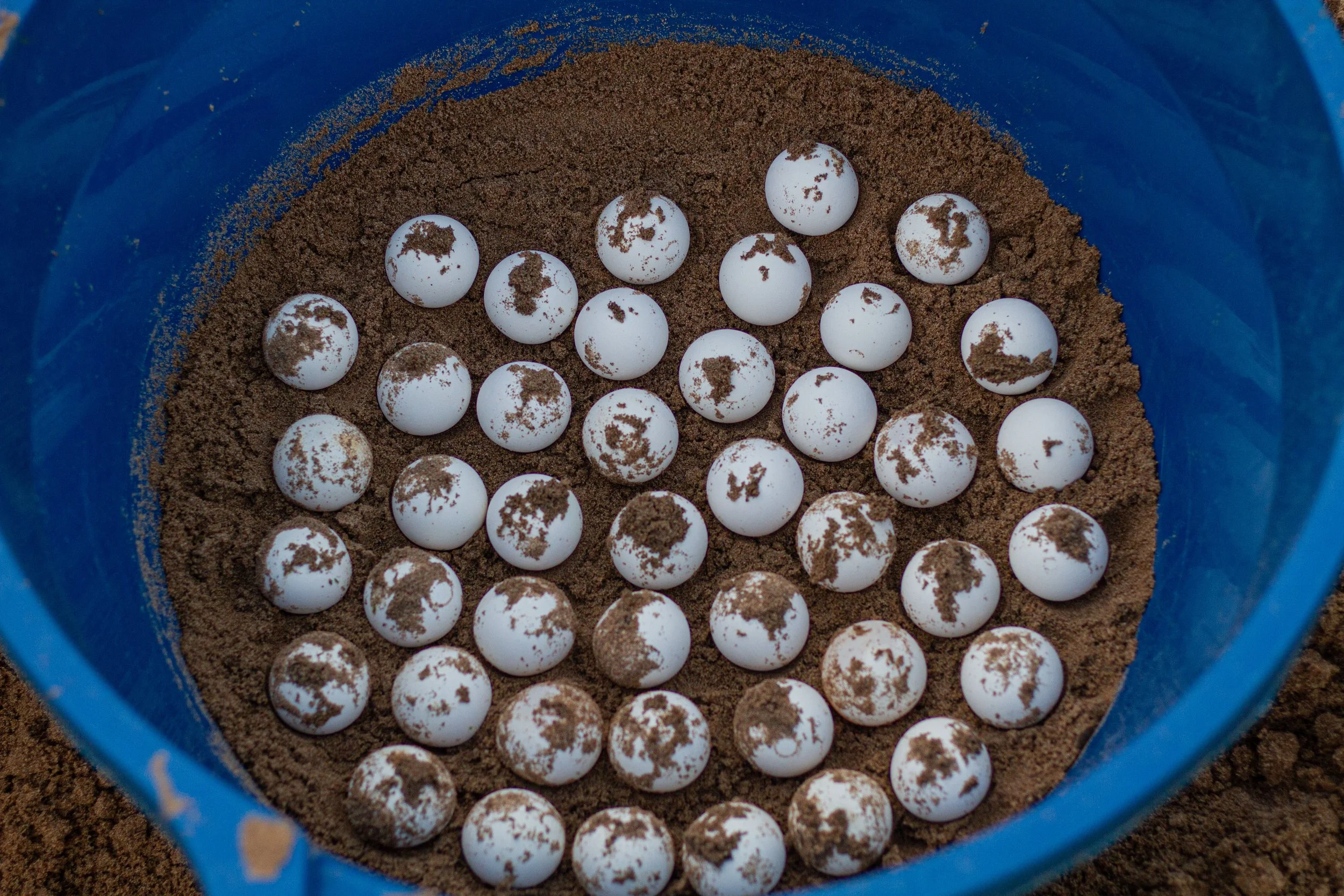
Close-up of the careful handling of taricaya eggs (Podocnemis unifilis) during community monitoring.