More than 598,000 hectares of Amazon rainforest are protected through Indigenous territorial monitoring along the Peru–Brazil border
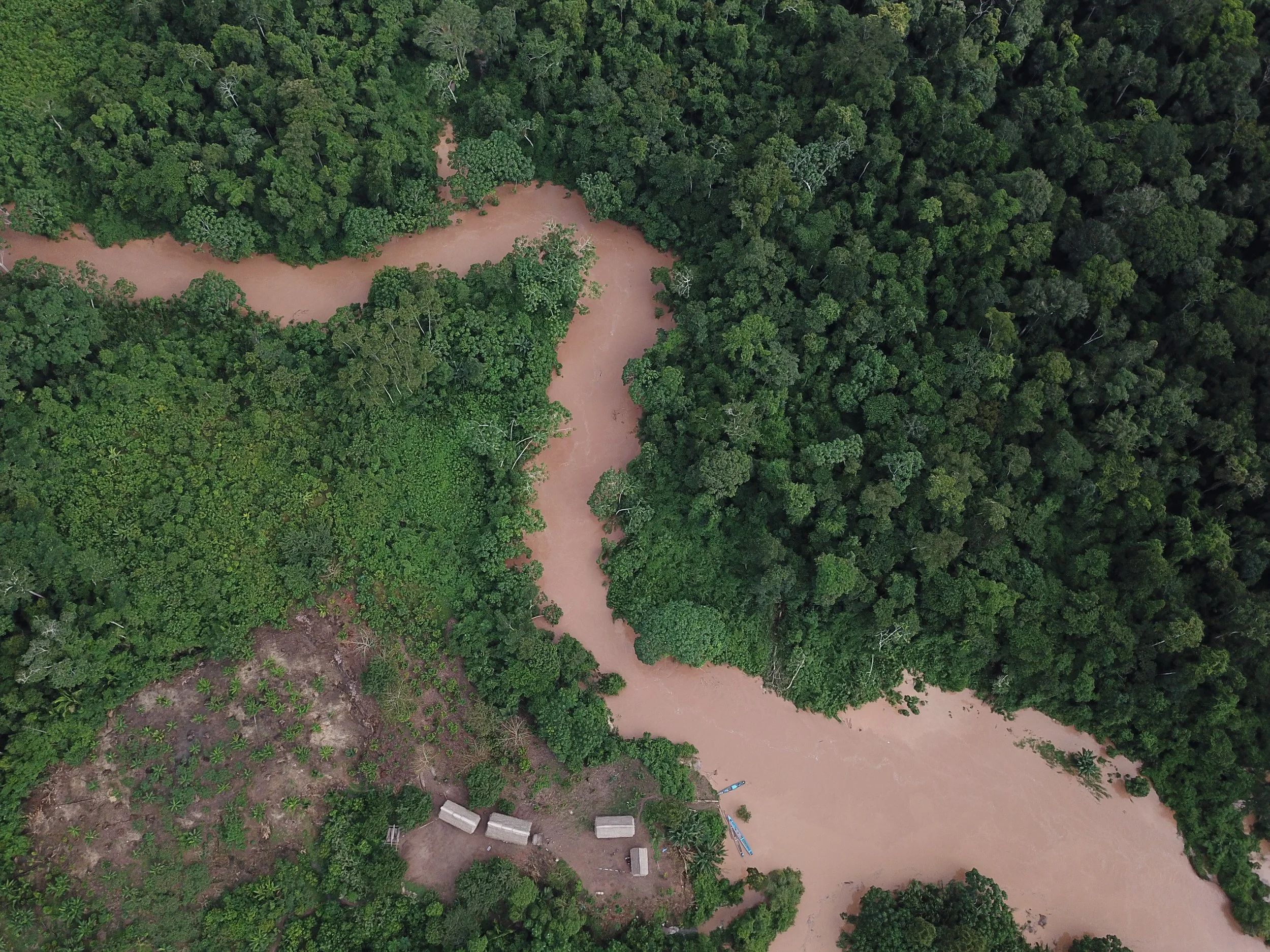
Indigenous communities in Ucayali are strengthening territorial governance and forest protection in the face of deforestation and illegal activities, contributing to climate change mitigation.
In the context of the International Day of Forests, Indigenous communities in the Peruvian Amazon continue to consolidate effective strategies to protect their territories. Through community-based monitoring systems, more than 598,000 hectares of Amazon rainforest are currently safeguarded in key areas along the Peru–Brazil border.
These efforts take place in territories such as Alto Tamaya–Saweto, Yurúa, Inuya, and Sepahua, where forest conservation is directly linked to the livelihoods, cultures, and autonomy of Indigenous peoples.
Amazonian forests play a critical role in regulating the global climate. In addition to storing large amounts of carbon, they sustain unique biodiversity and contribute to ecosystem stability. However, these territories face constant threats such as deforestation and illegal activities.
In response, communities have strengthened their own territorial control mechanisms. Currently, 108 Indigenous forest guardians actively participate in monitoring efforts, including river and land patrols, the use of SMART technology, and tools such as GPS and drones.
Over the past year, at least 8 territorial patrols have been carried out, improving early threat detection and strengthening Indigenous territorial governance.
Upper Amazon Conservancy (UAC) supports the strengthening of these processes by providing technical and strategic assistance to communities, recognizing their fundamental role as key actors in the conservation of the Amazon rainforest.
Evidence shows that Indigenous monitoring is one of the most effective strategies for protecting forests and addressing climate change. Strengthening these systems not only contributes to environmental conservation but also to the recognition of Indigenous territorial rights.