Alto Esperanza Strengthens the Protection of More Than 57,000 Hectares of Forest
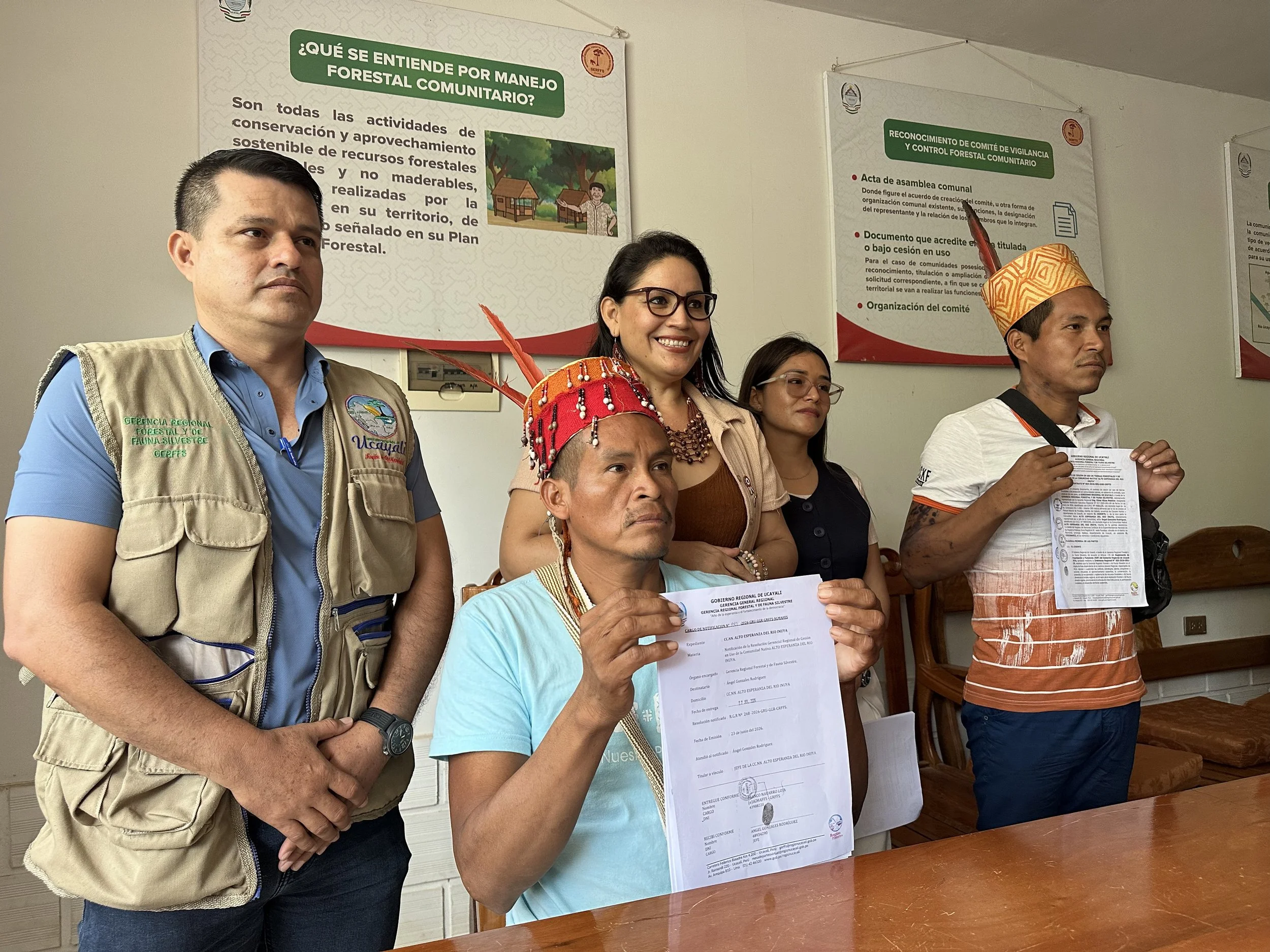
Ángel González Rodríguez, Chief of the Alto Esperanza Native Community, holds the usufruct agreement signed with the Ucayali Regional Forestry and Wildlife Management Office (GERFFS).
The Native Community of Alto Esperanza, located along the Inuya River in the Peruvian Amazon, have taken a major step toward strengthening the protection of the forest that sustains its way of life. After years of legal and administrative efforts, the community signed a usufruct agreement for its forest and protection lands with the Regional Forestry and Wildlife Management Office (GERFFS) of the Regional Government of Ucayali.
The agreement legally recognizes the community's rights to over 56,773 hectares of production forest and 247 hectares of protected forest, all of which form part of a communal territory covering more than 65,000 hectares. This milestone completes a key stage in the formalization of the community's land tenure and provides greater legal security for Alto Esperanza to continue managing and protecting the forest they have cared for, for generations.
An Ancestral Relationship with the Forest
For generations, the forest has been the foundation of life in Alto Esperanza. It provides timber for building homes, food that supports communities dietary needs, medicinal plants, and many of the natural resources that sustain daily life.
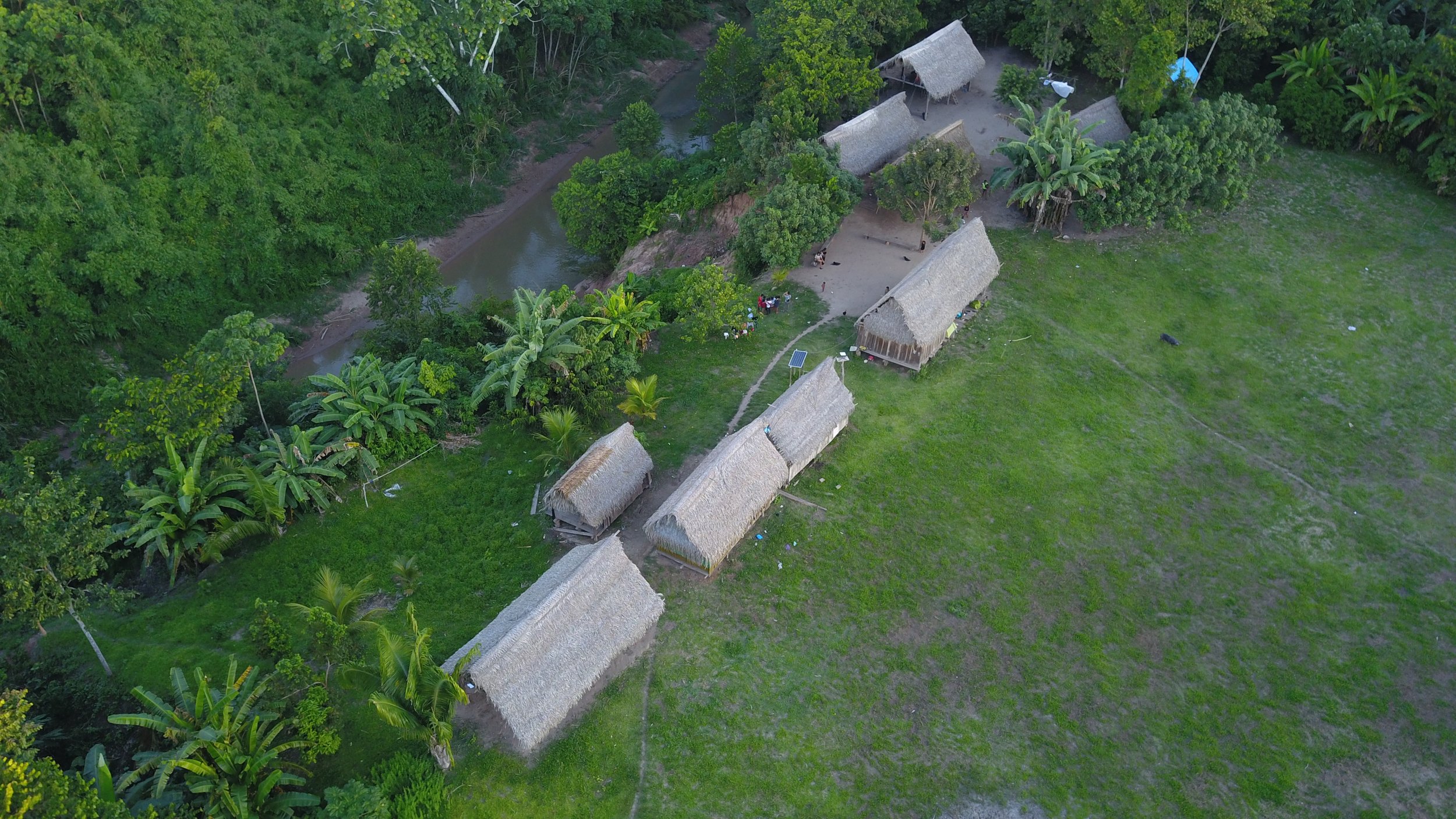
Aerial view of the Alto Esperanza Native Community, located along the Inuya River in the Peruvian Amazon.
Although this relationship with the territory has always existed, securing formal legal recognition of the community's forest and protection lands is still necessary to strengthen legal certainty over these areas.
On July 7, community representatives traveled for several days from the Inuya River to Pucallpa to sign the usufruct agreement with the Regional Forestry and Wildlife Management Office, marking a decisive moment in this process.
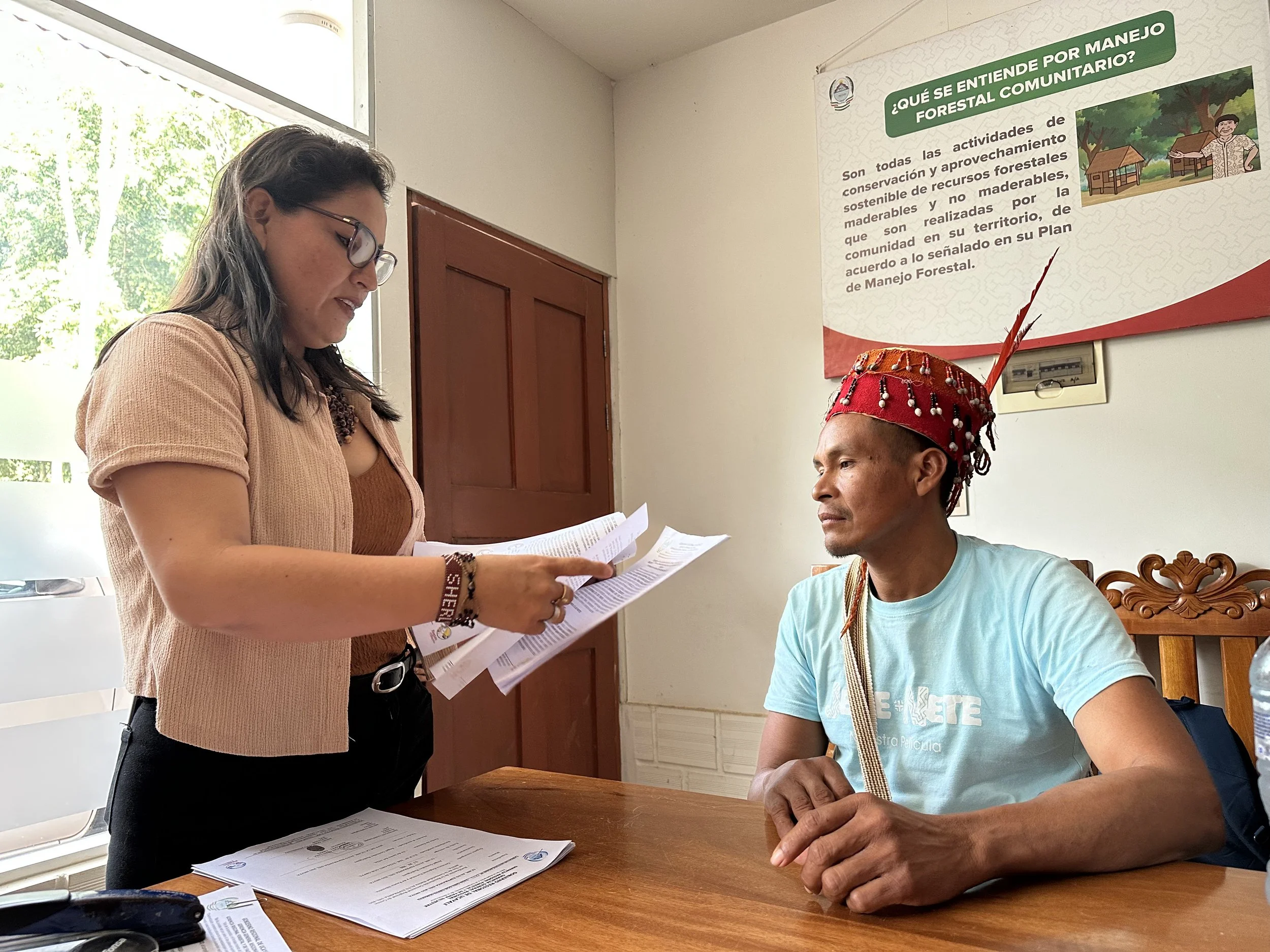
Staff from the Ucayali Regional Forestry and Wildlife Management Office explain the terms of the usufruct agreement before it is signed by the community chief.
“With this document, we can manage our forest more effectively.”
For Ángel González Rodríguez, Chief of Alto Esperanza, the agreement represents an opportunity to continue effective management of the forest on which the community depends.
“With this document, we can work better. It will help us manage our forest. We can build our homes using the trees we have and sustainably use the forest's resources to support our families.”
The usufruct agreement does not change the community's relationship with the forest—that relationship has existed for generations. What it does provide is a legal framework that strengthens community forest management, local monitoring, and the sustainable use of natural resources.
As community member Marco González explains, species such as shapaja palm and other native trees have traditionally been used to build homes and roofs. The forest and community farms also provide wild game and staple crops such as cassava, plantains, and maize, helping sustain local livelihoods.
Recognizing Generations of Conservation
According to Susan Alvarado del Castillo, Community Forest Management Specialist at GERFFS, the agreement formally recognizes conservation practices that the community has maintained for generations.
“The community has always protected these forests. They live in them, understand them through ancestral knowledge, and have their own ways of caring for them. The usufruct agreement strengthens those efforts by legally recognizing their rights over the territory.”
Rather than creating a new relationship between the community and the forest, the agreement provides legal recognition for a system of stewardship and protection that Alto Esperanza has exercised long before the document was signed.
A Process Built Over Many Years
Alto Esperanza belongs to the Amahuaca Indigenous People and is the first Indigenous community inhabited by Indigenous Peoples in Initial Contact (PIACI) to advance through this territorial recognition process, according to Peru's Ministry of Culture in 2022.
Reaching this milestone required years of work. The community was officially recognized as a Native Community in 2016 and has since completed several stages of the land formalization process, including territorial demarcation, titling of lands suitable for agricultural use, and finally the signing of the usufruct agreement covering its forest and protection lands.
This achievement was made possible through the coordinated efforts of the Alto Esperanza Native Community, the Alto Río Inuya–Mapuya Indigenous Federation (FIARIM), the Regional Forestry and Wildlife Management Office, the Regional Directorate of Agriculture of Ucayali, Peru's Ministry of Culture, and Upper Amazon Conservancy (UAC), which provided technical and legal support throughout the process.
During the signing ceremony, Regional Forestry Manager Vilma Vilca Melchor emphasized the importance of completing this stage through the signing of the agreement. Raúl Vásquez, Director of Upper Amazon Conservancy, highlighted the joint commitment of the community and partner institutions that made this achievement possible.
What Comes Next for Alto Esperanza
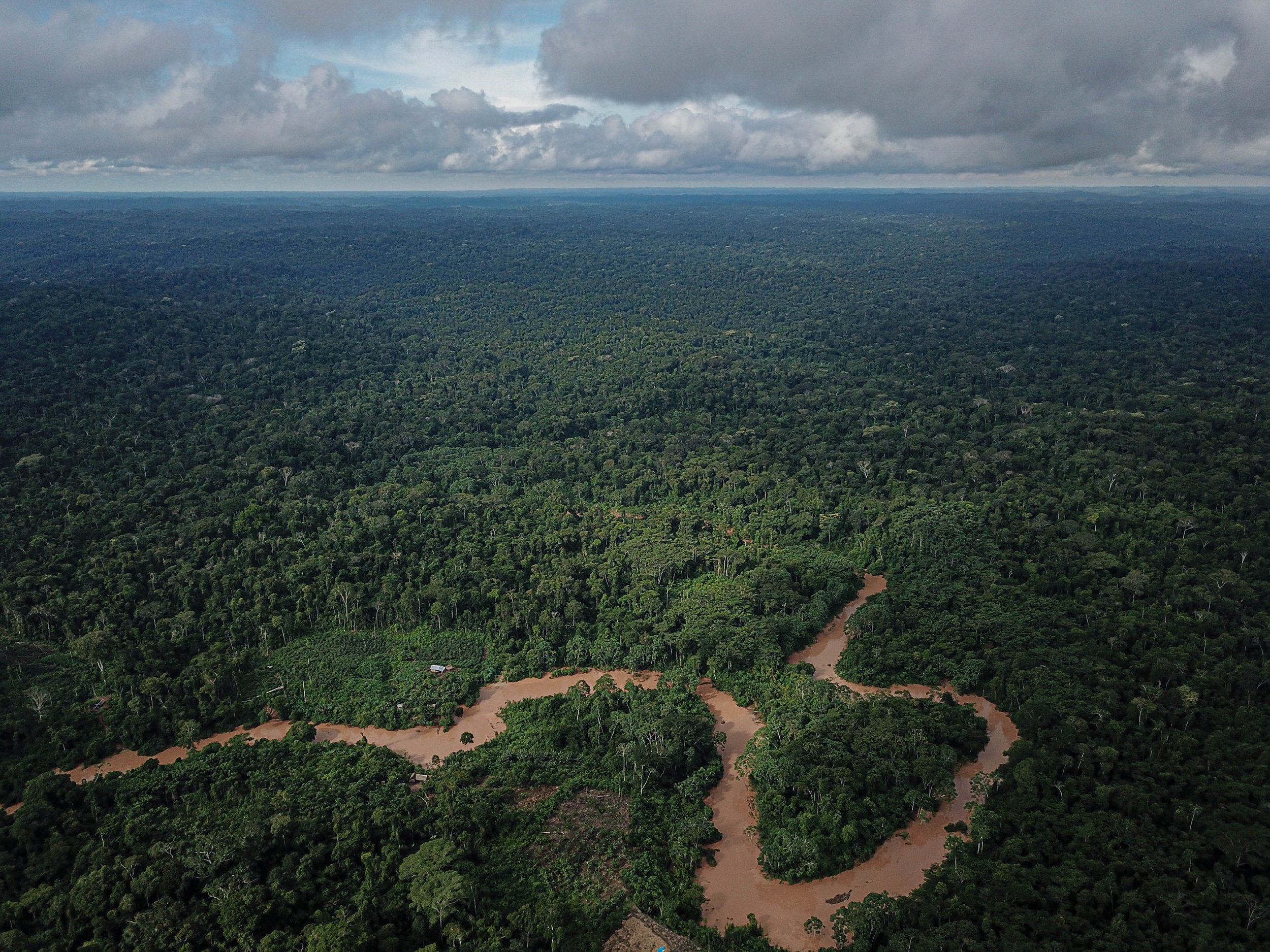
Aerial view of Alto Esperanza's communal territory, where the community protects and manages more than 57,000 hectares of forest.
Although the signing of the agreement marks the completion of this stage of the process, territorial recognition is not yet complete. One of the next steps will be resizing the Permanent Production Forest (BPP), an administrative process that will officially align the boundaries of this forest category with the community's territory and allow the registration process to move forward.
At the same time, the community continues to face significant challenges. Protecting more than 65,000 hectares in one of the most remote areas of the Peruvian Amazon requires several days of travel between the Inuya River and Pucallpa, as well as continuous community-led monitoring to address the growing pressures facing the Amazon rainforest.
For Alto Esperanza, this agreement is not the end of the journey. It is a legal tool that provides greater security for the community to continue managing the forest that sustains its food systems, culture, and way of life while advancing through the remaining stages of securing full recognition of its territory.