Indigenous Women in the Yurúa Strengthen Leadership and Territorial Management Skills
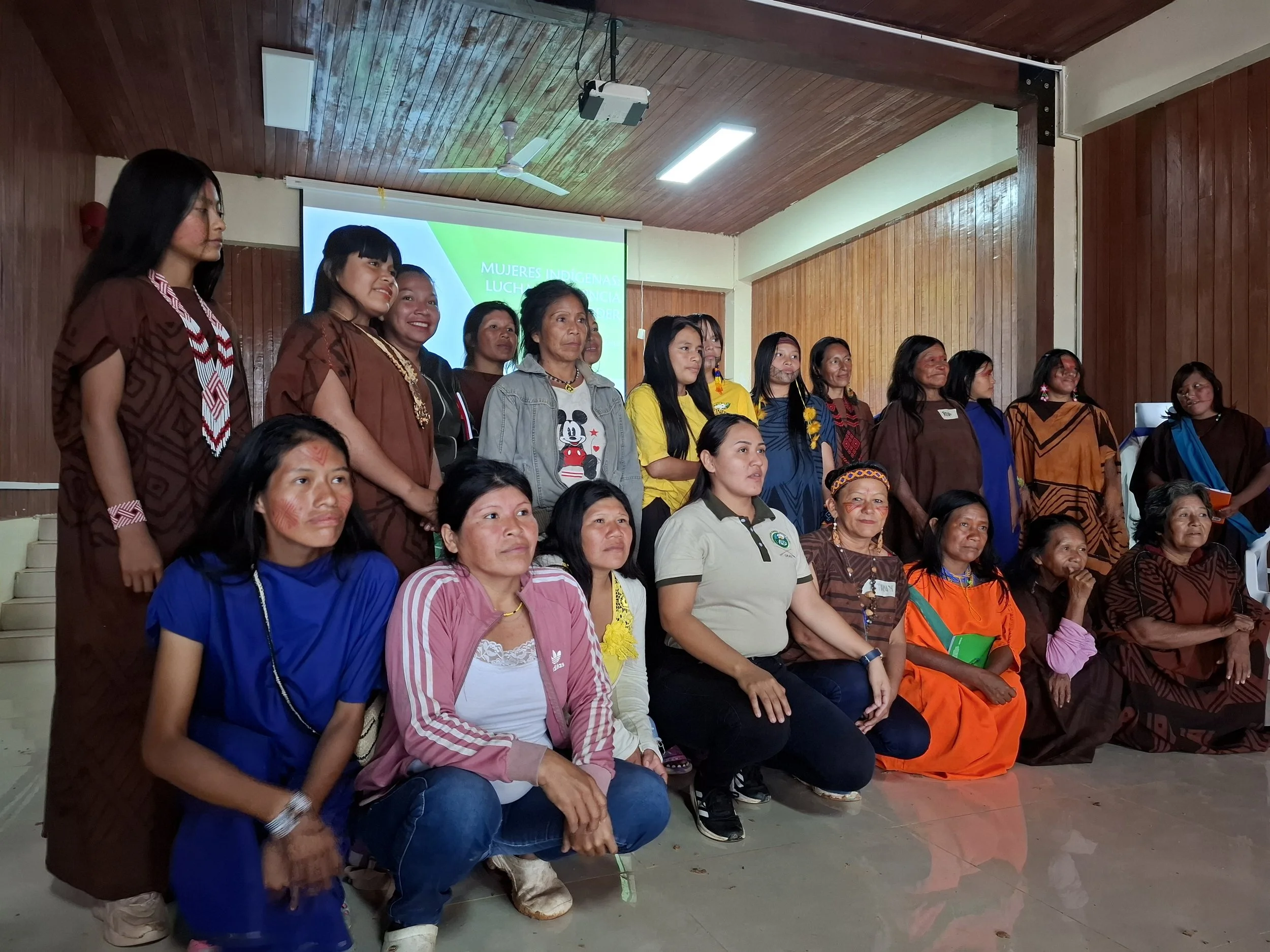
Women from different Indigenous communities across the Yurúa district participated in the Capacity-Building Workshop held in Breu.
Women from different Indigenous communities and generations gathered in Breu to strengthen their knowledge of leadership, rights, participation, conservation, and community development.
Indigenous women from the Yurúa district are strengthening their leadership, organizational, and participation skills through a process coordinated by the Regional Organization of AIDESEP Ucayali (ORAU) and the Association of Native Communities for the Integral Development of Yurúa Yono Sharakoiai (ACONADIYSH), with support from Upper Amazon Conservancy (UAC). The initiative seeks to promote greater participation of women in decision-making spaces and contribute to the sustainable development of their territories.
As part of this process, the Indigenous Women’s Capacity-Building Workshop for the Yurúa district was held on May 19 in the town of Breu. The event brought together organizations and institutions involved in capacity building, conservation, and territorial management.
The workshop consisted of 25 Indigenous women from seven different Native communities and included one local Indigenous association. Participants represented different generations and backgrounds, ranging from young girls and adolescents to community leaders and elder women, highlighting the intergenerational participation of Indigenous women in community organizational processes.
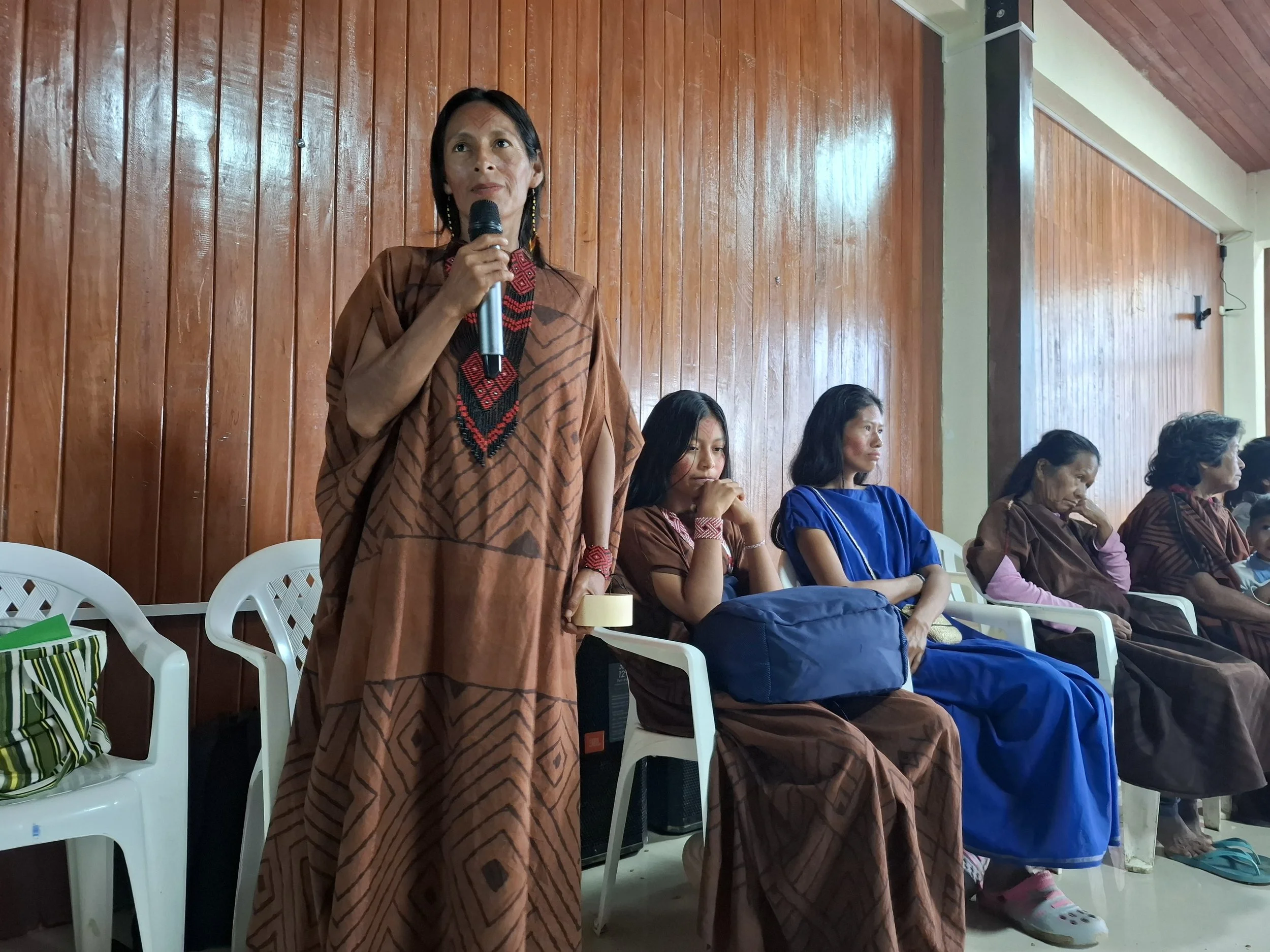
Participants shared experiences and reflections on leadership, organization, and participation within their communities.
Throughout the workshop, participants addressed topics related to Indigenous women’s leadership and political participation, gender-based violence prevention, household economies, healthy nutrition, biodiversity conservation, hygiene, and solid waste management. Sessions were facilitated by representatives from ORAU, the Yurúa District Municipality, Alto Purús National Park, and UAC.
Beyond strengthening knowledge and skills, the event also provided an opportunity for Asháninka, Ashéninka, and Yaminahua women from different communities across the district to exchange experiences. Through participatory activities and dialogue sessions, attendees reflected on the challenges faced within their territories and the importance of strengthening women’s presence in community representation and decision-making spaces.
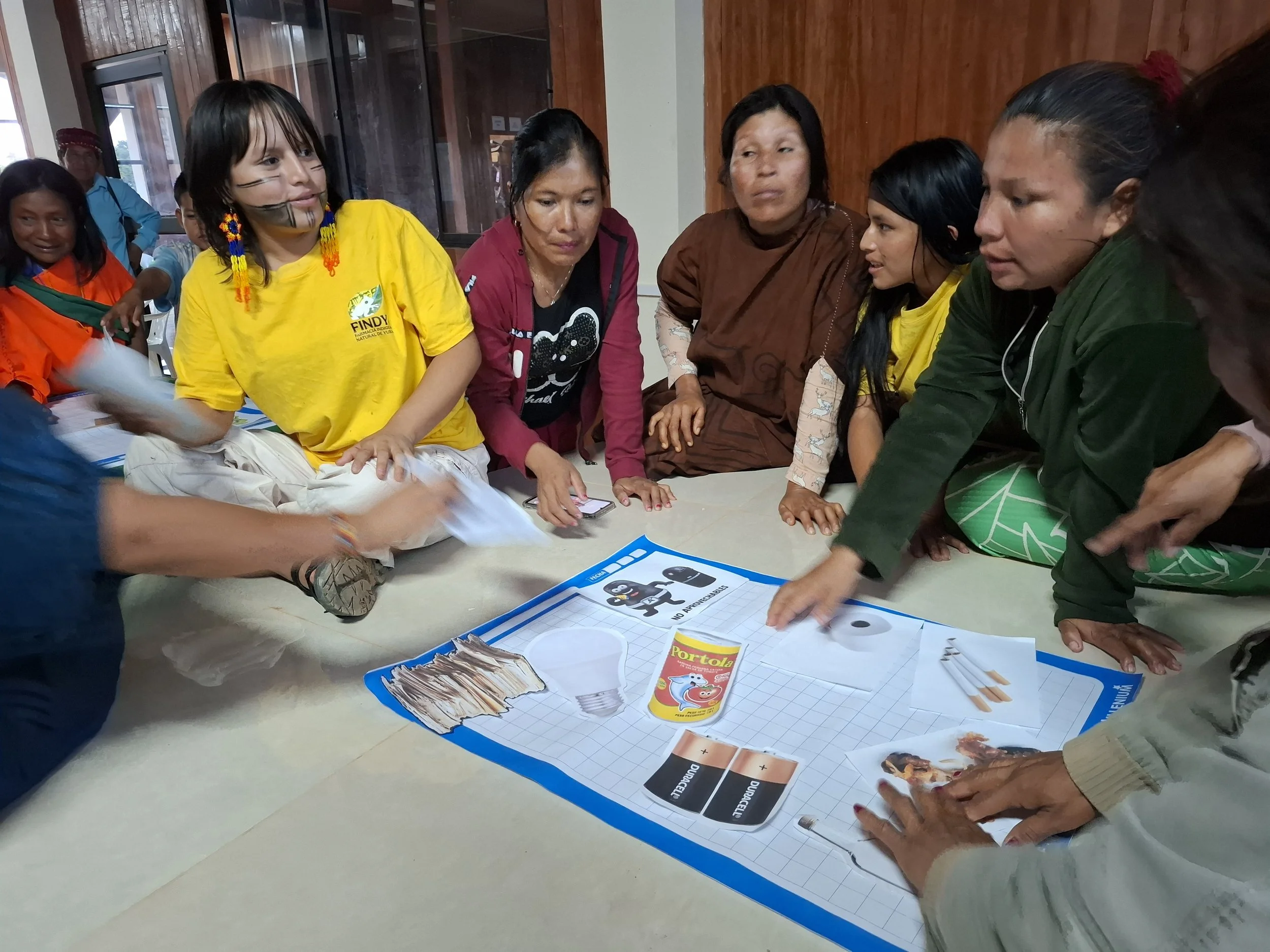
The workshop included participatory activities focused on leadership, health, conservation, and community management.
Participants included community leaders, members of monitoring committees, representatives of artisan associations, and Indigenous women holding organizational responsibilities within their communities. Notable participants included Stany Pérez, Economic Affairs Secretary of ACONADIYSH and coordinator of the Indigenous Women’s Program (PMI), as well as Yesica Camacllanqui, secretary of the Koshireni Native Community and president of the Arankom Artisans Association.
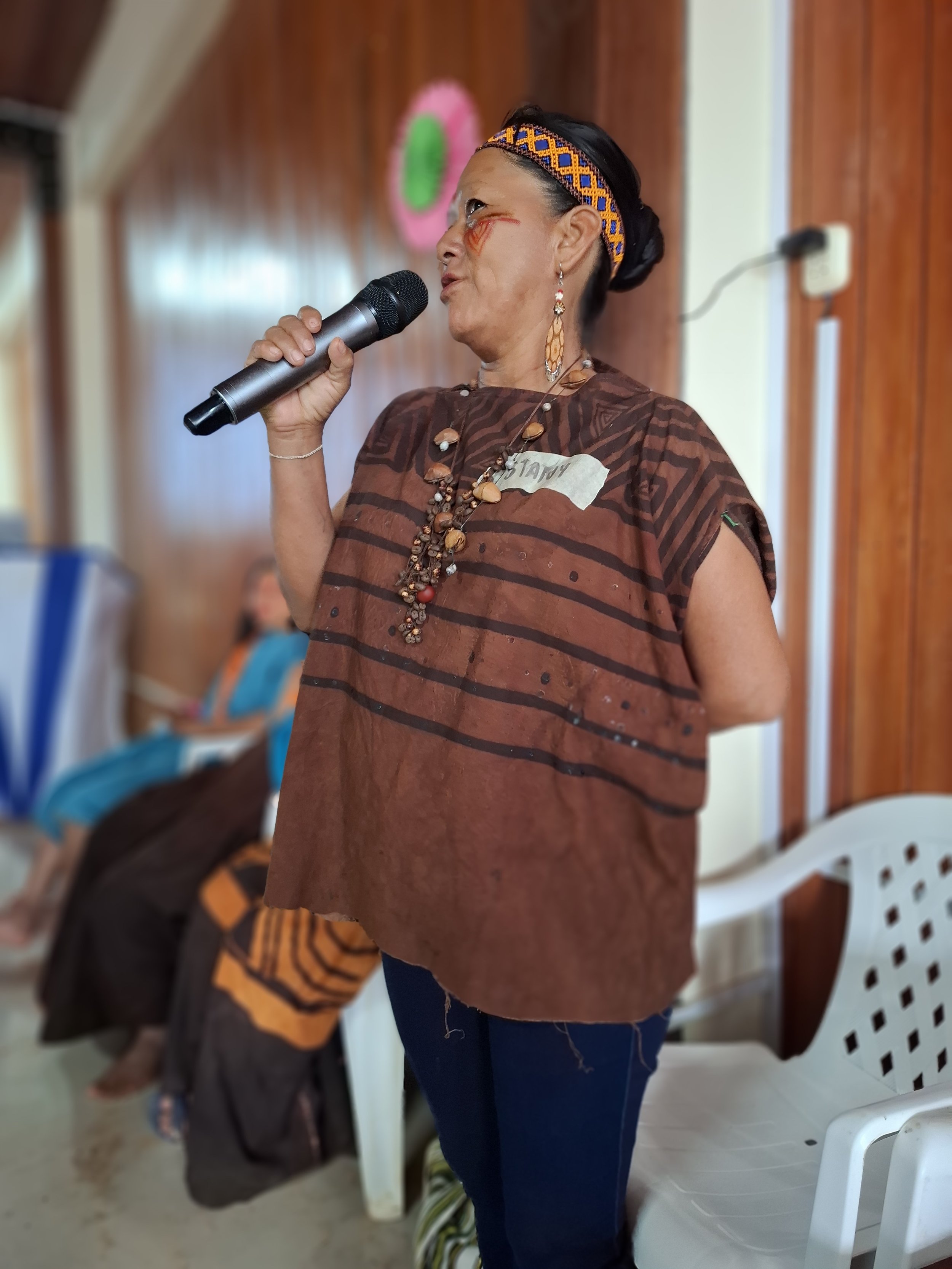
Stany Pérez, coordinator of the Indigenous Women’s Program (PMI), participated in the capacity-building sessions held in Breu.
The reflection sessions also helped identify shared concerns regarding the situation of Indigenous territories. Participants from the Koshireni Native Community expressed concern about illegal hunting and the unlawful extraction of natural resources in areas near the border with Brazil. These concerns highlight the importance of women’s participation in protecting their territories and natural resources, as well as the need to strengthen their leadership capacities to defend their communities’ livelihoods.
This workshop represents an initial step within a broader training process aimed at progressively strengthening the capacities of Indigenous women in Yurúa. The initiative seeks to encourage more active participation in community life, strengthen women’s leadership, and contribute to the sustainable management of Indigenous territories in this border region of the Peruvian Amazon.